

Rental Plumbing Upgrades That Protect Your Property
A leaking toilet on the second floor can turn one maintenance call into damaged ceilings, upset tenants, insurance paperwork, and a vacant unit. The right rental plumbing upgrades help landlords and property managers prevent those expensive chain reactions while making the property more comfortable and easier to maintain.
For Edmonton-area rentals, the best upgrade is rarely the flashiest fixture. It is the one that addresses the building’s real risk: aging supply lines, recurring drain backups, hard-water buildup, weak shutoffs, or a water heater nearing the end of its service life. Start with the systems that can cause damage or disrupt a tenancy, then plan cosmetic improvements around them.
Start With an Inspection, Not a Shopping List
A renovation budget goes further when it is based on the condition of the existing plumbing. Before replacing faucets or installing a new vanity, inspect the water supply lines, drain piping, shutoff valves, toilet connections, water heater, sump system, and visible signs of past leaks.
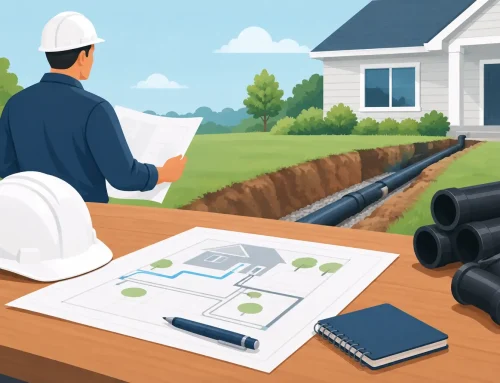
In older rental homes, look closely for Poly-B water lines. Poly-B can become brittle over time and may fail at fittings or along the pipe itself. A planned repiping project is a significant investment, but it is often far less disruptive than responding to a failure after walls, flooring, and a tenant’s belongings have been damaged.
Properties with frequent slow drains need more than a bottle of drain cleaner. A professional drain inspection can identify grease buildup, scale, root intrusion, poor pipe slope, or a damaged sewer line. Cleaning or repairing the source of the restriction protects the property and reduces repeat service calls.
For multi-unit buildings, inspections should also confirm that unit shutoff valves are accessible and working. If a kitchen supply line fails, being able to isolate one unit quickly can prevent water from affecting several suites.
Rental Plumbing Upgrades With the Best Payoff
The most valuable upgrades reduce the likelihood of emergencies, simplify future repairs, and hold up to daily tenant use. The priority order depends on the building, but these improvements consistently make sense for many rental properties.
Replace aging supply lines and failed shutoffs
Braided stainless-steel supply lines for toilets, faucets, and washing machines are a practical upgrade when older rubber or corroded lines are in place. They are not permanent, and they still need periodic inspection, but quality connections installed correctly are a major improvement over visibly worn hoses.
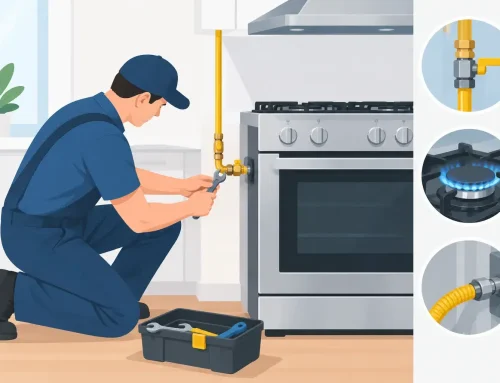
Pair new supply lines with quarter-turn shutoff valves. Older gate-style valves can seize or fail to close fully when needed most. A reliable shutoff under each sink and behind each toilet allows a tenant, manager, or plumber to stop a small leak before it becomes a major repair.
Upgrade toilets for reliability and water savings
Toilets are one of the highest-use fixtures in any rental. A reliable, standard-height or comfort-height toilet with commonly available replacement parts is usually a smarter choice than an overly specialized model. Look for a strong flush performance and a simple internal design that can be serviced without waiting for proprietary parts.
High-efficiency toilets can reduce water use, especially in properties with several units. The trade-off is that the lowest-flow option is not always the best fit for an older drain system. A plumber can help assess whether the existing drainage piping has the slope, condition, and venting needed for dependable performance.
Install durable faucets and fixture trim
Rental fixtures should be easy to clean, easy to repair, and built for frequent use. Single-handle kitchen and bathroom faucets with ceramic disc cartridges tend to offer dependable operation and straightforward servicing. Choose finishes that fit the property, but prioritize solid internal components over appearance alone.
Avoid installing fixtures that require unusual cartridges, specialty tools, or hard-to-source replacement parts. When a faucet starts dripping between tenancies, a standard serviceable model keeps the repair simple and minimizes downtime.
Add leak detection where it matters most
Leak detection devices can provide useful protection in high-risk areas, particularly under kitchen sinks, near washing machines, beside water heaters, and in utility rooms. Some systems sound an alarm, while others can monitor water use and automatically shut off the main supply when abnormal flow is detected.
Automatic shutoff systems cost more upfront, so they make the most sense for properties with a history of leaks, vacant periods, finished basements, or multiple units. For a smaller rental, water alarms and accessible shutoffs may offer a more practical level of protection. The right choice depends on the building’s exposure and how quickly someone can respond to an alert.
Plan water heater replacement before failure
A water heater that is leaking, noisy, rusty, or struggling to maintain temperature should not be left until it fails. Planned replacement allows you to select the correct capacity, update connections, and schedule work around tenant access. An emergency replacement often leaves fewer choices and creates more disruption.
Tank-style water heaters remain a cost-effective option for many rentals. Tankless units can provide long-term energy benefits and free up space, but they require correct sizing, venting, gas supply, and maintenance. They are not automatically the best answer for every property.
If the rental has a boiler for heat or domestic hot water, annual service is equally important. A neglected boiler can create heating complaints, higher energy costs, and an avoidable emergency during an Alberta cold snap.
Protect Basements, Sewer Lines, and Common Areas
Water damage does not always begin inside a bathroom or kitchen. Edmonton-area properties can face heavy rain, snowmelt, sewer backup risks, and groundwater pressure. Landlords with finished basements or lower-level suites should assess sump pumps, pit condition, discharge routing, and backup power options.
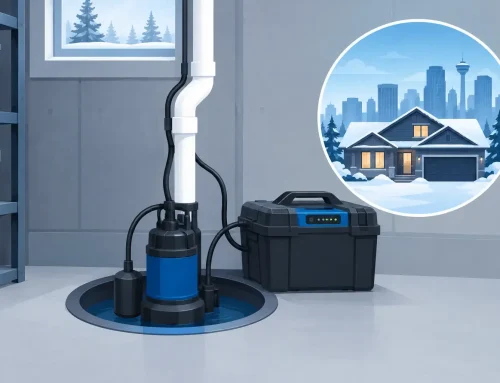
A battery backup sump pump can provide protection during a power outage, but it requires testing and battery maintenance. A water-powered backup can be another option where suitable water pressure and local conditions allow it. Neither system replaces the need to keep the sump pit clean and the discharge line clear.
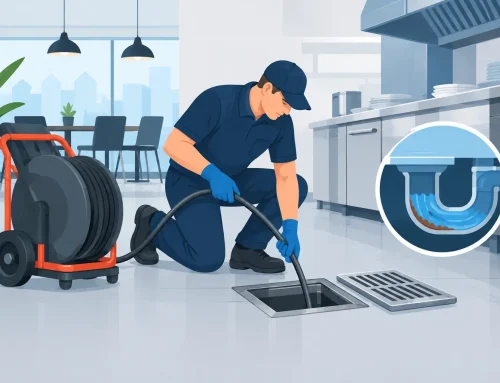
For properties with recurring sewer issues, camera inspection and targeted drain cleaning can reveal whether the problem is inside the building drain or farther along the sewer line. Tree roots, aging pipe materials, and grease buildup can all lead to backups. Hydro jetting may be effective for certain pipe conditions, but it should follow a proper assessment rather than be treated as a one-size-fits-all fix.
Make Turnovers Easier With Smart, Serviceable Choices
Every turnover is an opportunity to deal with small plumbing issues before a new tenant moves in. Check toilet stability, caulking, faucet operation, sink drains, garburators where installed, shower diverters, exhaust ventilation, and signs of moisture inside vanity cabinets.
Keep a record of fixture brands, cartridge types, water-heater installation dates, and past repairs. This simple information helps property managers make faster decisions during a service call. It also makes budgeting easier because replacement can be planned instead of rushed.
For owners of older homes being converted into secondary suites, plumbing capacity deserves careful attention. Added bathrooms, kitchens, laundry equipment, and occupants change the demand on water supply, drainage, venting, and hot water production. Properly planned plumbing for a legal suite protects both the building and the people living in it.
Balance Upfront Cost Against Emergency Risk
Not every rental needs a full plumbing renovation. If the piping is in good condition, drains flow properly, and fixtures are serviceable, targeted upgrades may be the better investment. Replacing shutoffs, supply lines, toilet internals, and worn faucets can deliver meaningful protection without opening walls.
However, repeated leaks, chronic drain calls, visible corrosion, Poly-B piping, or an unreliable water heater are signs that patching may be costing more than planned replacement. A professional assessment gives you a clear picture of what is urgent, what can be scheduled, and what should be monitored.
Kingstree Plumbing helps landlords and property managers address both immediate repairs and planned improvements, from drain inspections and water-heater replacement to repiping, sump protection, and plumbing for secondary suites. Work can be scheduled around occupancy whenever possible, with 24/7 emergency service available when a problem cannot wait.
A well-maintained rental does not need luxury fixtures in every room. It needs plumbing that shuts off when it should, drains when it should, and keeps a small problem from becoming a tenant emergency.

Related Posts