

Sewer Repair Versus Replacement: When to Replace
A sewer backup is not the time to guess whether a quick fix will hold. The right choice between sewer repair versus replacement depends on what is happening below ground, how much pipe is affected, and whether the line can reliably serve the property after the work is done. For homeowners, landlords, and property managers in the Edmonton area, a clear diagnosis can prevent repeat backups, damaged finishes, and unnecessary excavation.
Sewer Repair Versus Replacement: Start With the Pipe Condition
Sewer repair is usually the practical option when the problem is isolated. A single cracked section, a root intrusion at one joint, or a localized blockage may be corrected without replacing the entire private sewer line. The goal is to restore proper flow and protect the surrounding pipe that is still in good condition.
Replacement becomes the stronger long-term choice when the pipe has widespread deterioration, repeated failures, major settling, or sections that no longer have a usable slope. Replacing a failing line costs more upfront than a small repair, but it can eliminate the cycle of emergency calls, drain cleaning, and property damage caused by recurring backups.
A camera inspection is the starting point for a responsible recommendation. It shows the inside of the line and helps identify whether the issue is roots, scale buildup, cracks, separated joints, a collapsed section, or a sagging area holding wastewater. Surface symptoms alone cannot tell you whether a line needs a spot repair or full replacement.
When a Targeted Sewer Repair Makes Sense
A repair may be the right answer when the problem has a defined location and the rest of the sewer line is structurally sound. For example, roots can enter older pipe through a loose joint. If the affected area is limited and the pipe has not shifted or collapsed, removing the roots and repairing that connection can restore service without disturbing the full yard.
Localized cracks can also be repaired, especially when they were caused by a specific event such as ground movement near one section of pipe. In some cases, trenchless methods may limit excavation by repairing or rehabilitating the damaged area through an access point. The right method depends on pipe depth, material, access, and the exact condition found during inspection.
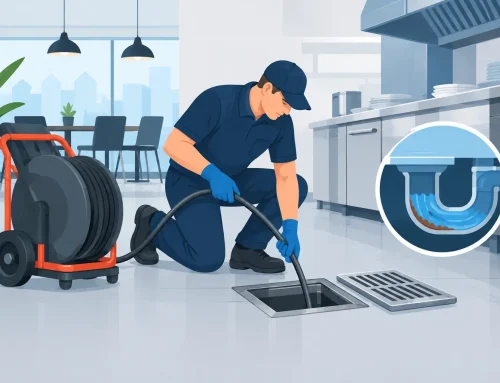
A blockage does not automatically mean the sewer line is broken. Grease, wipes, scale, construction debris, or heavy root growth can restrict flow in an otherwise serviceable line. Professional drain cleaning or hydro jetting may solve the immediate issue, followed by a camera inspection to confirm whether the pipe itself remains in good shape.
Repair is especially appealing when a line is relatively new, the property has had no history of recurring backups, and the inspection confirms that damage is limited. It is a focused solution for a focused problem.
Signs Your Sewer May Be Repairable
Watch for a single slow drain group, a backup that occurs in one area of the building, or a problem that appeared after a known event. These can point to a localized issue, although only an inspection can confirm it. If several fixtures back up at once, or the problem returns shortly after cleaning, the concern may extend farther down the line.
When Sewer Replacement Is the Better Investment
Replacement is often recommended when several sections of pipe have failed or when the line has reached the end of its useful life. Older clay tile, cast iron, Orangeburg, and other aging materials can develop repeated cracks, offsets, corrosion, separation, and root entry over time. A repair in one area may simply expose the next weak point.
A collapsed sewer line requires more than cleaning. Wastewater cannot reliably pass through a section that has caved in, and forcing equipment through it may cause additional damage. Excavation and replacement are commonly needed when a collapse is confirmed.
A sewer belly is another issue that deserves careful evaluation. This occurs when a section of pipe loses its proper grade and dips below the rest of the line. Water and solids settle in the low point, creating repeated clogs even after the pipe has been cleaned. If the belly is substantial, replacing and regrading that section is generally the lasting solution.
Replacement is also worth considering if the line has required repeated service. Paying for annual root removal or emergency drain clearing can become more expensive and disruptive than replacing a failing line on a planned schedule. For rental properties, commercial buildings, and multi-unit sites, that calculation should include tenant disruption, cleanup costs, lost operating time, and the risk of damage to finished spaces.
Warning Signs That Point Toward Replacement
A camera inspection may reveal multiple breaks, widespread root intrusion, severe corrosion, separated pipe joints, or a line that has shifted out of alignment. Outside the building, soggy patches, sewer odors, unusually green grass, or sinkholes near the line route can indicate leakage below ground.
Inside, recurring backups in the lowest drains are a serious warning. Gurgling toilets, water rising in tubs or showers when another fixture drains, and sewage appearing at a floor drain should be addressed promptly. These symptoms can be caused by a blockage, but they can also signal a failing main sewer connection.
The Role of Trenchless Sewer Options
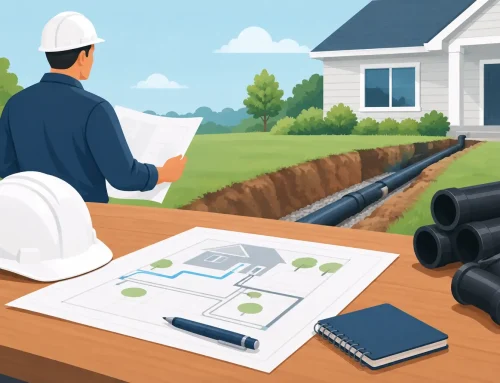
Many property owners hear “replacement” and picture a full trench across the lawn, driveway, or landscaping. Excavation is still necessary in some situations, particularly when pipe has collapsed, is badly offset, or needs its slope corrected. But trenchless solutions can be a useful option when the existing line has a suitable path and enough structural integrity for the selected method.
Pipe lining can create a new pipe within the existing one in certain applications. Pipe bursting may allow a new pipe to be pulled through while breaking apart the old line. These methods can reduce surface disruption, but they are not automatically the best fit for every property. Access points, pipe diameter, bends, damage severity, municipal requirements, and surrounding utilities all affect the decision.
A good sewer contractor will explain why a trenchless approach is appropriate or why excavation is safer. The lowest-disruption option is valuable only if it corrects the actual failure and provides a durable result.
What Affects the Cost of Sewer Work
The price difference between sewer repair and replacement can be significant, but the scope matters more than a broad estimate. A short repair near an accessible cleanout is very different from replacing a deep line under concrete, mature landscaping, or a driveway.
Key cost factors include the depth and length of the sewer line, the pipe material, the location of the damage, access for equipment, restoration needs, and whether permits or utility locates are required. For rural and acreage properties, the route to a septic system, private sewer connection, or other onsite infrastructure may add further considerations.
Do not compare quotes only by the total number. Ask what the inspection found, how much pipe will be repaired or replaced, what material will be installed, whether the line will be tested, and what restoration is included. A clear scope helps you compare like for like and avoid surprises after work begins.
Make the Decision Before the Next Backup
The best time to evaluate an aging sewer line is before wastewater reaches a basement, retail space, or tenant unit. If drains have been slow, roots keep returning, or you are planning a renovation that will cover the line route, schedule a camera inspection first. It gives you usable information for budgeting and lets you plan work around the property rather than responding during an emergency.
Kingstree Plumbing can assess the line, explain the findings in plain language, and recommend a repair or replacement based on the condition in front of you. The goal is not to replace pipe that can be reliably repaired. It is to stop spending money on temporary work when the line is clearly asking for a permanent solution.
When sewer problems show up, act early, get the line inspected, and choose the repair that protects your property for the years ahead.

Related Posts