

Residential and Commercial Plumbing Services
A failed water heater at 6 a.m., a sewer backup in a tenant unit, or a frozen pipe during an Alberta cold snap can turn into property damage fast. Residential and commercial plumbing services are not just about fixing a visible leak. They protect the water, heat, drainage, and gas systems that keep homes, rental properties, businesses, and acreages operating safely.
The right response depends on the property, the urgency of the problem, and the condition of the system behind it. A homeowner may need a quick repair and a plan for aging Poly-B piping. A restaurant, retail space, or multi-unit building may need drainage work that limits downtime and prevents a recurring emergency. Rural properties often have another layer of responsibility: wells, cisterns, pressure tanks, private sewer systems, and livestock water infrastructure.
What Residential and Commercial Plumbing Services Cover
Plumbing is a connected system. Water supply, fixtures, drainage, heating equipment, gas lines, and flood protection all affect one another. Repairing the immediate issue matters, but identifying the cause can prevent a second call for the same failure.
For homes, common work includes faucet and toilet repairs, leak detection, clogged drains, water heater replacement, boiler service, sump pump installation, sewer line repair, and plumbing for kitchen and bathroom renovations. Homeowners may also need water treatment, reverse osmosis systems, softeners, or filtration when water quality is a concern.
Commercial work often requires a broader maintenance view. Businesses and property managers need plumbing support for washrooms, staff kitchens, utility rooms, floor drains, grease-related drainage issues, water heaters, boilers, and building water lines. In commercial settings, a small blockage or fixture failure can affect customers, staff, tenants, operations, and revenue. Fast service matters, but so does a repair that holds up under heavier daily use.
Emergency repairs need a clear first response
A plumbing emergency is any problem that creates an active risk to people, property, or operations. Burst pipes, sewage backups, overflowing toilets, no heat during cold weather, a failed sump pump during heavy rain, and suspected gas leaks all deserve immediate attention.
If water is actively escaping, shut off the nearest fixture valve if possible. If that does not stop the flow, use the building’s main water shutoff. Avoid using drains during a suspected sewer backup, because additional water can worsen the overflow. For a possible gas leak, leave the area, avoid switches and open flames, and seek urgent professional help.
Emergency service solves the immediate danger. Afterward, a good assessment should explain what failed, whether related components are at risk, and what repair or replacement options make sense. That distinction matters. A temporary repair can be appropriate when time is critical, but it should not be mistaken for a long-term solution when a pipe, water heater, or sewer line is near the end of its service life.
Drain and Sewer Work: Fix the Cause, Not Just the Clog
Slow drains are easy to ignore until several fixtures back up at once. A single slow sink may be a local blockage. Slow tubs, toilets, and sinks across the same area of a property can point to a larger drain or sewer issue.
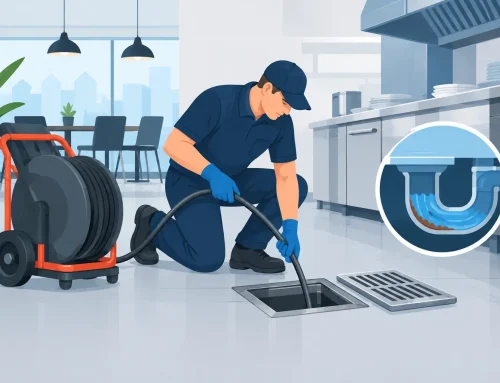
Professional drain cleaning may involve augering, camera inspection, or hydro jetting. The right method depends on the pipe material, the nature of the blockage, and the condition of the line. Hydro jetting can be highly effective for grease, scale, and recurring buildup, particularly in commercial drainage systems, but it is not automatically the right choice for every aging or damaged pipe.
Camera inspections are especially useful when the problem keeps returning. They can identify root intrusion, pipe breaks, bellies in the line, offsets, corrosion, or construction debris. For landlords and commercial property operators, this information supports better decisions about repair timing and budget rather than repeated spending on short-term clearing.
Protecting Homes and Buildings From Water Damage
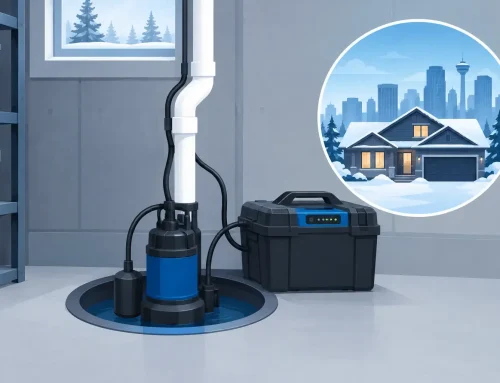
Water damage does not always start with a burst pipe. In Sherwood Park, Edmonton, and surrounding communities, spring thaw, heavy rain, foundation drainage issues, and failed sump equipment can put lower levels at risk. A working sump pump, properly directed discharge, and appropriate backup protection can make a meaningful difference when conditions change quickly.
Flood protection is not a one-size-fits-all installation. A finished basement, rental suite, commercial utility room, or acreage property each has different drainage conditions and risk tolerance. An inspection can help determine whether a sump pump replacement, battery backup, check valve, drain maintenance, or sewer protection upgrade is the practical next step.
Property owners should also watch for less dramatic warning signs: moisture near a utility room, a sump pump that runs constantly, unusual odors from floor drains, or stains around pipe connections. Addressing those signs early is usually less disruptive than dealing with a full backup or equipment failure.
Water Heaters, Boilers, and Gas Lines Require Skilled Work
Hot water and reliable heating are basic needs, especially through an Alberta winter. When a water heater is leaking, producing rusty water, making loud noises, or struggling to maintain temperature, repair may be possible. Age, tank condition, fuel type, and the cost of the repair all affect whether replacement is the better value.
Boilers need equally careful attention. Pressure problems, uneven heat, strange sounds, water leaks, and repeated shutdowns should be assessed before they become a no-heat call. Planned maintenance can help identify worn components and operating issues before the coldest day of the year exposes them.
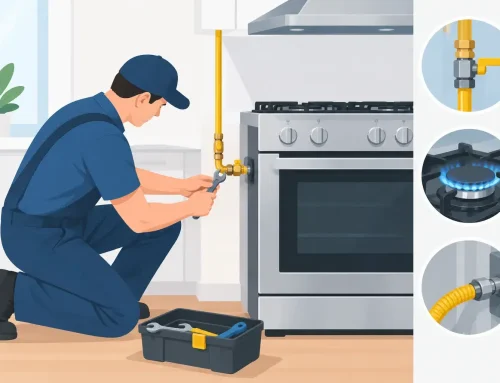
Gas fitting should never be treated as a DIY task. New appliances, garage heaters, fireplaces, outdoor kitchens, and commercial equipment may require gas line installation or modification. Proper sizing, routing, testing, and code-compliant installation protect the property and the people using it.
Planned Upgrades for Aging Plumbing Systems
Not every plumbing need is urgent. Some of the most valuable work happens before failure, particularly in older homes and buildings. Poly-B piping is one example. While not every Poly-B system fails at the same rate, age, fittings, water conditions, and installation history can influence risk. A professional inspection helps owners understand whether targeted repairs, monitoring, or full repiping is the right path.
Renovations and secondary suites also benefit from early plumbing planning. Moving a kitchen, adding a bathroom, installing laundry equipment, or creating a legal suite affects water supply, drainage capacity, venting, fixture placement, and sometimes heating or gas systems. Planning these details before walls are closed helps avoid expensive changes later.
For commercial spaces, scheduled maintenance is often the practical choice. Routine inspection of fixtures, drains, mechanical rooms, and shutoff valves helps reduce surprise closures. The schedule should fit the property. A busy restaurant or multi-unit building may need more frequent drain and fixture attention than a small office with limited public use.
Acreage and Private Water System Support
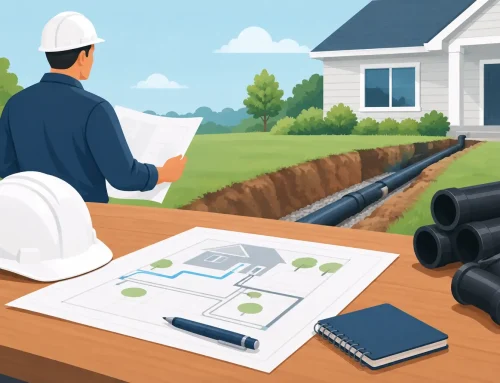
Rural and acreage plumbing adds equipment that city properties may not have. Well pumps, pressure tanks, cisterns, water lines, irrigation, livestock water systems, septic connections, and filtration equipment all need dependable service.
Low water pressure, frequent pump cycling, air in the lines, sediment, changes in water taste, or a cistern that is not filling correctly can indicate a developing issue. The cause may be a pump, pressure switch, tank, control component, leak, water source, or treatment system. Accurate troubleshooting prevents replacing the wrong part.
Water treatment is also specific to the source and the household’s needs. Filtration, softening, and reverse osmosis systems can improve water quality, but the best setup depends on testing results, flow requirements, maintenance expectations, and whether the water is for a home, livestock, irrigation, or a commercial application.
Choosing a Plumbing Team for the Long Term
The lowest immediate price is not always the lowest cost over time. For urgent repairs, response time and safe workmanship come first. For replacements and upgrades, ask for a clear explanation of the issue, the proposed scope of work, the expected lifespan of the solution, and any maintenance needs.
It also helps to work with a team that can handle more than one narrow task. Kingstree Plumbing supports emergency repairs, drainage, heating, gas fitting, water treatment, flood protection, renovations, and private water systems, so property owners can address connected issues without starting over with a different trade for each system.
A well-maintained plumbing system rarely asks for attention at a convenient time. Keep an eye on the early signs, know where your shutoff valves are, and arrange service before a small warning becomes a flooded room, a closed business, or a cold home.

Related Posts