

Pressure Tank Guide for Well Water Systems
A pressure tank is easy to overlook when water is flowing normally. But when it loses air, becomes waterlogged, or is matched poorly to the pump, the effects show up fast: sputtering faucets, short pump cycles, weak pressure, and a higher risk of pump failure. This pressure tank guide explains what the tank does, how to recognize trouble, and when a professional inspection is the right next step for a private well or cistern system.
What a Pressure Tank Does
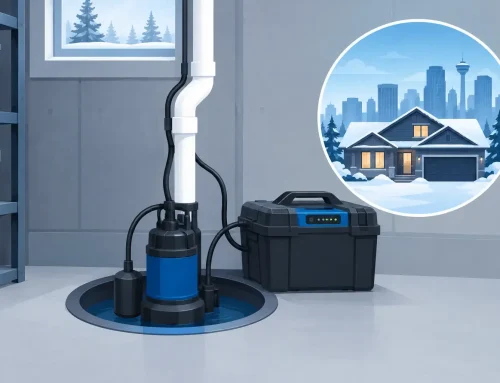
A pressure tank stores a reserve of pressurized water for your property. It works with the well pump or booster pump and the pressure switch to deliver steady water pressure when someone opens a faucet, runs a shower, flushes a toilet, or starts an appliance.
Without a tank, the pump would need to start every time a small amount of water is used. Frequent starts put heavy wear on the motor, controls, and electrical components. The tank provides usable water between pump cycles, allowing the pump to run for a longer, healthier cycle rather than switching on and off repeatedly.
Most modern systems use a diaphragm or bladder pressure tank. Inside the steel tank, a flexible barrier separates compressed air from the water supply. As water enters, it compresses the air. When a fixture opens, the compressed air pushes water out until pressure falls to the switch’s cut-in setting and the pump turns back on.
Older systems may use galvanized air-over-water tanks without an internal bladder. These can still operate, but they often need more frequent air management and can be more prone to waterlogging. If you have an older acreage system, an inspection can determine whether repair, adjustment, or replacement makes the most sense.
Pressure Tank Guide: The Settings That Matter
Your system pressure is controlled by a pressure switch, which tells the pump when to start and stop. A common residential setup is 30/50 psi, meaning the pump starts at 30 psi and stops at 50 psi. Some systems run at 40/60 psi for stronger fixture pressure, but that setting is not automatically right for every pump, tank, pipe system, filter, or water treatment component.
The tank’s air precharge must match the pressure switch. With power shut off and all water pressure drained from the tank, the air charge is typically set 2 psi below the pressure switch cut-in setting. For a 30/50 switch, that generally means 28 psi in the empty tank. For a 40/60 switch, it is generally 38 psi.
That small difference matters. Too much air can reduce the water available before the pump restarts. Too little air can cause short cycling and leave the tank effectively waterlogged. Do not check or add air while the tank is full of pressurized water, because the reading will not tell you the true precharge.
A higher pressure setting can feel better at the shower, but it also places greater demand on the pump and plumbing system. It may not be suitable for every well yield, pump curve, filter housing, water softener, reverse osmosis system, or older pipe installation. The right setting depends on the complete water system, not just the number printed on the pressure switch cover.
Drawdown Is More Useful Than Tank Size Alone
Tank size is often described in gallons, but drawdown is the number that affects pump cycling. Drawdown is the amount of water the tank delivers between the pump shutting off and starting again.
A 20-gallon tank does not necessarily provide 20 gallons of drawdown. Depending on its design and pressure settings, it may deliver only a portion of that capacity before the pump restarts. This is why replacing a tank based only on the physical size of the old unit can lead to disappointing results.
A properly sized tank is matched to the pump’s flow rate and the desired run time. A common goal is to allow the pump to run for at least one minute once it starts, though system design can vary. A pump that delivers more water per minute generally needs more drawdown to avoid rapid cycling.
Signs Your Pressure Tank May Need Service
Pressure tank problems do not always begin with a complete loss of water. Often, the system gives clear warnings first. If the pump clicks on and off every few seconds while a faucet is running, treat it as a priority. This short cycling can damage a well pump or booster pump if it continues.
Other common warning signs include fluctuating water pressure, a pressure gauge that rises and falls unusually fast, air spurts from faucets, or a tank that feels heavy from top to bottom when tapped. A tank that is completely waterlogged has little or no air cushion left, so the pump starts almost immediately whenever water is used.
A leaking tank, corroded fittings, damaged pressure gauge, or burned pressure-switch contacts can cause similar symptoms. That is why diagnosis should look beyond the tank itself. The pump, electrical supply, check valve, pressure switch, plumbing connections, filters, treatment equipment, and water source all affect system performance.
If water stops completely, the pump will not shut off, or you notice burning smells around electrical controls, turn off power to the pump if it is safe to do so and arrange service promptly. Electrical and pressurized-water repairs are not a good place for guesswork.
How to Choose the Right Replacement Tank
A replacement pressure tank should be selected based on the pump and the property’s water demand. A small cabin with one bathroom has different needs than a family home, rental property, shop, livestock operation, or irrigation system. Cistern-fed systems also have their own considerations because the booster pump and controls may differ from a conventional well setup.
Tank construction matters as well. Bladder and diaphragm tanks are widely used because they keep the air and water separated, which reduces the need to add air over time. Quality fittings, a reliable pressure switch, a readable gauge, and accessible isolation valves make future maintenance easier.
Physical location is equally important in Alberta. The tank should be protected from freezing, accessible for service, and installed where a leak can be identified before it causes major property damage. In pump houses, utility rooms, crawl spaces, and mechanical rooms, limited space may affect the tank shape and orientation that can be installed safely.
Do not assume a bigger tank is always the only answer. A larger tank can increase drawdown and reduce cycling, but the best solution may also involve correcting an air-charge problem, replacing a failed switch, repairing a leak, updating controls, or addressing a pump that is no longer performing as designed.
Simple Maintenance That Protects Your Water System
Private water systems benefit from routine attention, especially before winter and after any change in water pressure. Watch the pressure gauge while water is running. The pump should start at its cut-in point, run steadily, and stop at its cut-out point without rapid cycling.
Check the tank and nearby piping for moisture, corrosion, damaged wiring, or signs of freezing. Keep the area around the tank clear so shutoff valves and electrical controls remain accessible. If you use sediment filtration, softening equipment, or other treatment components, service them on schedule because restrictions in the system can affect flow and pressure.
For rural homes, acreages, and commercial properties with well pumps or cisternal water, a periodic system inspection can catch small issues before they become a no-water call. Kingstree Plumbing can inspect pressure tanks, switches, booster pumps, well components, cistern connections, and related plumbing to identify the cause of unstable water pressure.
A pressure tank should quietly protect your pump in the background. If your water pressure is changing, your pump is cycling too often, or winter conditions have put your private water system at risk, acting early can keep a manageable repair from becoming a disruptive water outage.

Related Posts