

How to Unblock a Toilet: Simple Steps for Quick and Effective Results
Clogged toilets are a common issue, but they can usually be fixed quickly at home with the right steps and tools. Anyone can learn how to unblock a toilet safely and effectively, often without calling a plumber. Many of these solutions use everyday items, such as dish soap, baking soda, vinegar, or a plunger, letting people solve the problem with things they already have on hand.
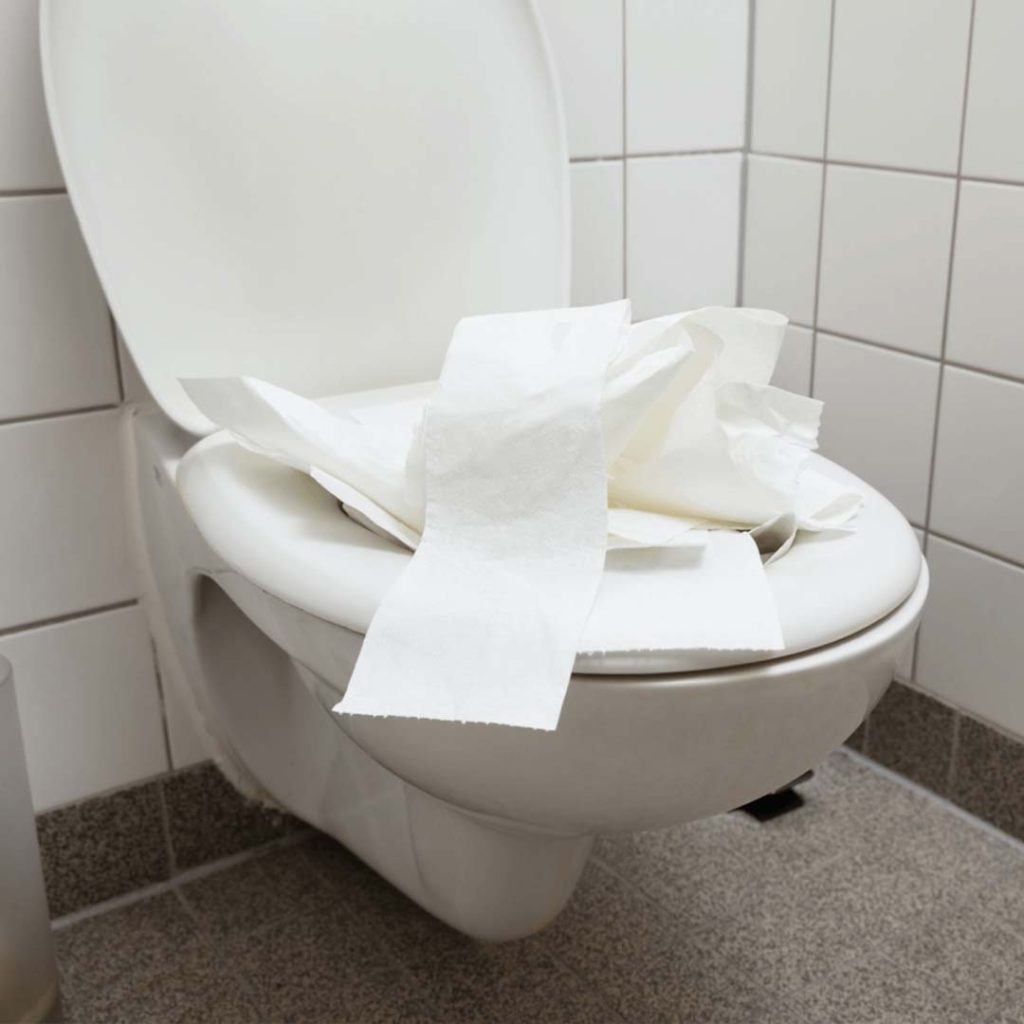
Knowing the correct way to tackle a blocked toilet helps avoid extra mess and damage. Simple techniques, like pouring a mix of baking soda and vinegar into the bowl and adding hot water, can help clear most clogs by breaking down the blockage. For stubborn blockages, it’s important to understand when to use more advanced methods or when to seek professional help.
Key Takeaways
- Blocked toilets can often be fixed with easy home methods.
- The right steps and tools can help prevent extra problems.
- Knowing when to try other solutions or ask for help is important.
Understanding a Blocked Toilet
A blocked toilet can disrupt daily routines and may lead to bigger plumbing issues if not fixed promptly. Recognizing what causes clogs and knowing the warning signs helps prevent expensive repairs.
Common Causes of Toilet Clogs
Toilet clogs often start with flushing the wrong items. People sometimes flush paper towels, sanitary products, or wipes, which do not break down like toilet paper. Thick wads of toilet paper can also lead to a clogged toilet.
Children sometimes drop toys or other objects in the bowl. These items may lodge in the trapway and cause a blocked toilet. Another frequent issue is problems in the plumbing itself, such as a narrow or damaged pipe.
Older toilets are more likely to clog, especially low-flow models made before the 2000s. Tree roots growing into the outdoor pipes may also block drains, causing slow draining or backups in several fixtures.
Signs Your Toilet Is Fully or Partially Blocked
Common signs of a blocked toilet include slow draining, water rising near the rim after flushing, or gurgling sounds from other drains nearby. If water overflows onto the floor, the clog is likely severe.
A partially blocked toilet may allow some water to pass but will refill slowly. Repeated plunging with no lasting solution also suggests a deeper clog in the pipes.
Air bubbles in the toilet water or in nearby tubs and sinks can mean the blockage affects more than just the toilet. Foul smells coming from the toilet or drains are another sign waste is not moving freely through the system.
How Clogs Affect Household Drains
A clog in one toilet can sometimes impact other fixtures. This is because toilets and sinks may share the same main drain line. If the blockage is far down the pipe, flushing may cause water to back up elsewhere, like a shower or bath.
Multiple slow-draining fixtures suggest a problem in the main drain, not just a single fixture. Small clogs usually only affect one toilet, but larger blockages can disrupt the whole plumbing system.
Ignoring a blocked toilet may result in water damage or even sewage backing up into the house. Keeping drains clear helps prevent leaks, bad smells, and costly plumbing repairs. Homeowners should address clogs early before they spread to other drains. More tips on preventing drain problems are available at Tunnel Vision’s guide to unblocking toilet drains.
Essential Tools and Safety Precautions
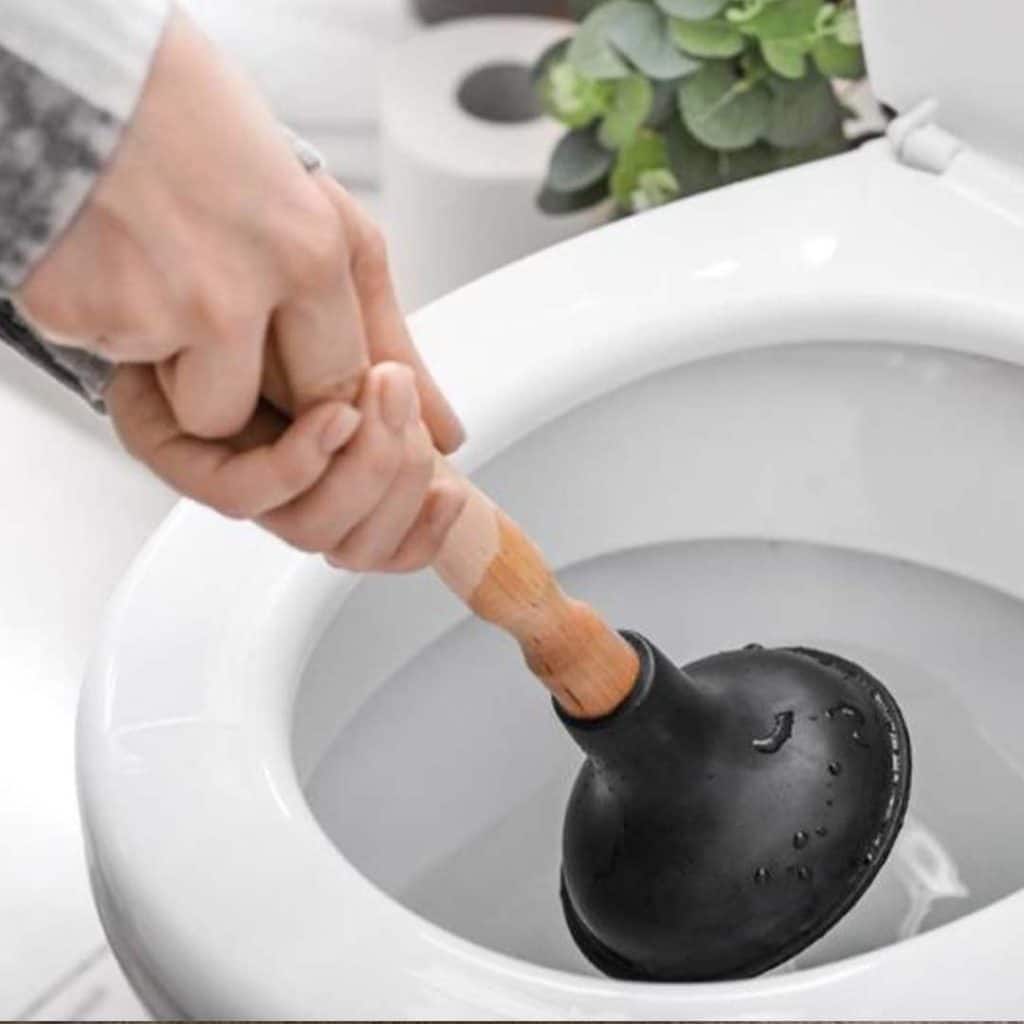
Unblocking a toilet requires the correct equipment and careful safety steps. Using the right tools and having proper safety gear reduces mess and lowers the risk of contamination or injury.
Choosing the Right Plunger
Selecting the right plunger is an important first step. There are two common types: the flat-cup plunger and the flange plunger. Flat-cup plungers work best on flat surfaces like sinks, but for toilets, a flange plunger is more effective. The rubber flange at the bottom helps seal the drain opening and provides the extra suction needed to dislodge tough blockages.
A good flange plunger should be in good shape, with no cracks in the rubber. It should also have a sturdy handle for firm pressure. When plunging, make sure to keep enough water in the bowl to cover the rubber cup. This helps form a tight seal and increases the force.
It can be helpful to have paper towels or cleaning wipes close by to quickly clean up water spills. For detailed steps on using a plunger, visit this DIY guide to unblocking a toilet.
Using a Toilet Auger Safely
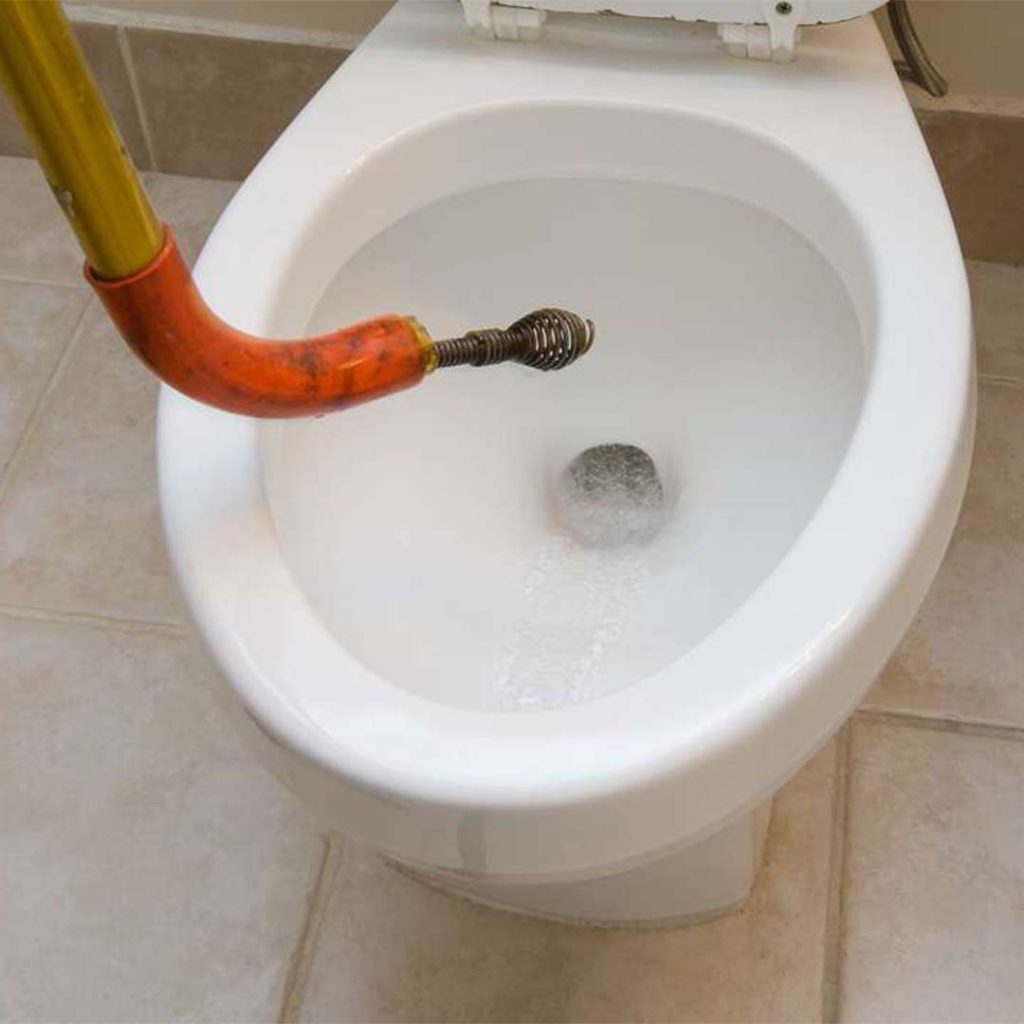
A toilet auger, also known as a closet auger, is used when a plunger cannot clear the clog. It has a long, flexible metal cable with a handle and a protective rubber sleeve. The design helps it reach deeper blockages without scratching the porcelain. Toilet augers are especially useful for clogs that are not near the drain opening.
To use a toilet auger, slowly insert the end into the drain and turn the handle clockwise. This action pushes the cable through the blockage. If resistance is felt, do not force the auger, as this could damage the toilet. Instead, pull back gently and try again. Always use slow, steady movements to avoid splashback or breakage.
When finished, disinfect the auger and any surfaces it touched. Store it in a dry place for next time. Find more tips on using a toilet auger at this tool guide for unblocking toilets.
Preparing Personal Protective Equipment
Personal protection helps keep germs and harsh cleaners off your skin. Essential items include rubber gloves, safety goggles, and protective clothing you do not mind getting splashed. Gloves should cover the wrists and fit tightly, as this protects hands from bacteria and harsh chemicals. Safety goggles stop any water or chemical sprays from getting into your eyes.
Wear old clothes or a waterproof apron in case of splashback. Keep cleaning wipes or antibacterial spray on hand to clean up any messes right away. Place a few towels or rags around the toilet base to catch drips and protect the bathroom floor.
Properly dispose of gloves and cleaning wipes after the job. Wash hands with soap and warm water even if gloves were used. This keeps everyone safe and prevents the spread of germs.
Step-by-Step Guide to Unblock a Toilet Manually
Unblocking a toilet by hand often means dealing with messy situations, but having the right steps can make the job faster and safer. Being prepared with essential tools and understanding proper techniques will help fix most blocked toilets without needing to call a plumber.
Initial Assessment and Water Levels
When facing a blocked toilet, the first thing to do is check the water level in the bowl. If the water level is near the top, do not flush again—this can cause an overflow and further mess.
Instead, wait for the water to settle or slowly drain down. If the water is low, it may be safe to try flushing again, but only once. Check if any objects, such as toys or paper towels, are stuck in the bowl and remove them carefully using gloves.
Have a towel or mop ready around the base of the toilet to handle spills. If you add any cleaning mixture, such as baking soda and vinegar, let it sit for a few minutes before trying to plunge. For a simple cleaning solution, some use a mix of baking soda, vinegar, and hot water. This can help loosen minor clogs as suggested by The Home Depot guide.
Correct Plunging Techniques
Plunging is one of the fastest ways to tackle a blocked toilet. Use a flange plunger, as it is designed for toilets and seals well over the drain hole. First, place the rubber end of the plunger into the bowl, ensuring a tight seal around the drain.
Push and pull with steady pressure. Keep the plunger under water; add water to the bowl if needed. The up-and-down movements should be strong enough to create suction and force that helps push or pull the blockage through.
After several plunges, check if the water starts to drain. If it does, try flushing once to see if the blockage is cleared. Do not use too much force that splashes dirty water. Wipe up any spills, and clean the plunger after use.
How to Use a Toilet Auger Effectively
A toilet auger is useful for tough clogs that will not shift with a plunger. The auger is a long, flexible tool with a handle and a curved end meant for toilets. Insert the end of the auger gently into the toilet drain, feeding it in slowly until resistance is felt.
Rotate the handle gently to push the cable through the blockage. Do not force the auger, as this can scratch the toilet or break the device. When the auger moves freely again, it means the blockage is either cleared or pushed further into the drain.
Slowly pull the auger back out, wiping it with a cloth to avoid drips. Flush the toilet to check if water now flows properly. For more tips on using a toilet auger, see this step-by-step auger guide. If the blockage remains, consider repeating the process or calling a professional.
Home Remedies for Toilet Unclogging
Home remedies, such as baking soda, vinegar, and hot water, can sometimes clear minor toilet blockages before calling a plumber. These methods provide simple, cost-effective ways to deal with clogs without using harsh chemicals or special tools.
The Baking Soda and Vinegar Method
The baking soda and vinegar method is popular because it uses items already in most kitchens. Start by pouring about one cup of baking soda directly into the toilet bowl. Wait a couple of minutes to let it sink and settle at the bottom.
Next, slowly add about two cups of vinegar. Pour in a circular motion to help the mixture spread evenly. A fizzing and bubbling reaction will happen, and it is important to allow this process to continue undisturbed to maximize its effect.
Leave the mixture to work for at least 30 minutes, or overnight for tough clogs. Flush the toilet afterwards to see if the blockage is gone. If needed, repeat the process. For step-by-step details and safety tips, visit this guide about the baking soda and vinegar method.
Hot and Boiling Water Approaches
Hot and boiling water is another home remedy that works well for mild clogs caused by paper or soft materials. Start by heating a pot of water on the stove but avoid using water that is still boiling, as this can crack cold porcelain.
Carefully pour the hot water from waist height into the bowl to add pressure and help loosen the clog. Wait a few minutes to see if the water level goes down. This method can be repeated, but caution must be used to avoid splashing.
If the blockage begins to clear, try flushing to finish the job. Hot water works best on organic waste and is most effective when used quickly after a clog forms. Learn more about using hot water and other simple tools for toilet clogs.
Understanding the Chemical Reaction Process
The fizzing you see with baking soda and vinegar comes from a chemical reaction. Baking soda is a base, while vinegar is an acid. When mixed, they react to form carbon dioxide gas, which creates bubbles and helps agitate and break apart material in the toilet drain.
This reaction can sometimes loosen a clog by disrupting built-up organic matter or toilet paper. However, these ingredients will not dissolve solid items such as toys or wipes. The process is generally safe for pipes and is free from harsh store-bought chemicals.
Use the correct amounts to avoid spills and potential messes. The bubbling is temporary, but with patience, it may help clear simple clogs. For a look at how baking soda, vinegar, and their chemical reaction work in the context of toilets.
When to Try Advanced or Alternative Methods
Sometimes basic steps like plunging or using hot water are not enough to clear a clogged toilet. When this happens, knowing when and how to use more advanced solutions can help avoid damage to pipes and keep the bathroom safe and clean.
Identifying Severe or Persistent Clogs
A severe or stubborn clog will not respond to several tries with a plunger or basic methods like dish soap and hot water. If water stays high in the bowl after you flush, or if the water drains very slowly, this may point to a deeper problem in the drains.
Some signs of a persistent blockage include strange noises, bubbling, or water backing up from other drains. For example, if you flush the toilet and water bubbles up in the sink or tub, it may mean the blockage is in the main drain and not just the toilet.
In these cases, a toilet auger or plumber’s snake is often needed. These tools can reach deep inside the toilet trap and break up tough blockages. If the drain is still jammed after this, it is best to contact a professional, since forcing the issue may damage pipes or lead to leaks.
Chemical Drain Cleaners: Pros and Cons
Chemical drain cleaners are available in stores and are sometimes used when plunging does not help. They promise a quick fix by breaking down the materials blocking a toilet, but there are several things to consider before using them.
Pros:
- Easy to buy and use
- Can sometimes clear minor buildups in pipes
Cons:
- Many are not safe for toilets because the chemicals can damage the porcelain and plumbing
- They are usually less effective for clogs made of solid objects or large amounts of waste
- Chemical cleaners can create harmful fumes, and splashes may irritate the skin or eyes
According to information from Kingstree Plumbing and Liquid-Plumr, it is often safer to use options like a plunger or auger before considering chemicals. Always follow the product instructions, and never mix drain cleaners with other products, as this can cause dangerous reactions.
Preventing Future Toilet Blockages
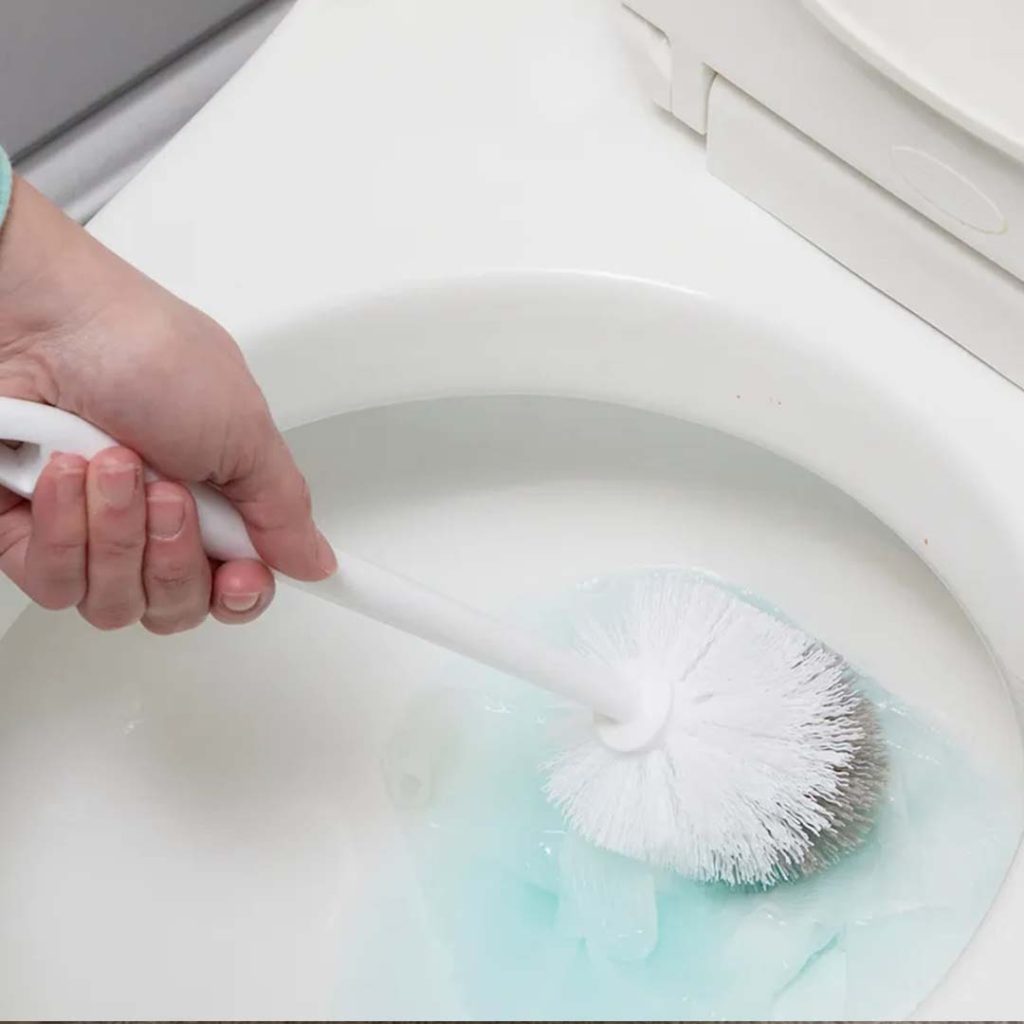
Simple routines and careful flushing can help keep toilets running smoothly. Common mistakes, such as flushing non-flushable items or neglecting maintenance, increase the risk of clogs.
Proper Toilet Maintenance Habits
Regular maintenance is key to avoiding blockages. Homeowners should inspect for slow drainage and clear minor clogs before they become bigger problems. Using a toilet auger helps remove objects stuck deeper in the drain, reaching spots a plunger cannot.
Monthly cleaning prevents buildup of hard water minerals and waste inside the toilet and the pipes. It is important to avoid harsh drain cleaners, as these can damage pipes over time. Instead, a mixture of baking soda and vinegar can be poured into the toilet to help keep drains clear, as shown in tips by Home Depot.
Homeowners should also be aware of any gurgling sounds, which may indicate a partial clog. Taking quick action helps prevent water backup and damage.
Suitable Items for Flushing
Toilets are designed to handle only human waste and toilet paper. Flushing anything else—even items labelled as “flushable” wipes or sanitary products—can cause slow draining and clogs. These items do not break down easily and often get stuck in pipes.
A helpful tip is to keep a small bin next to the toilet for non-flushables. This simple step helps stop unwanted items from ending up in the drains. As discussed in Reddit plumbing tips, flushing in stages for larger loads can also assist with keeping blockages to a minimum.
Making sure only suitable items go down the toilet protects both the toilet and the wider plumbing system. This reduces the chances of blockages throughout drains and pipes.
Frequently Asked Questions
There are several common ways to unblock a toilet using simple tools and household items. Proper methods and techniques can help prevent damage and make the process quicker and more effective.
What are the most effective methods to unclog a toilet quickly?
A plunger is often the fastest and most reliable way to clear a blocked toilet. For less severe clogs, baking soda and vinegar can be added, followed by hot water from the kettle.
Using a toilet auger is helpful when the blockage is deeper in the pipes. If these options are not available, some people try hot water and dish soap to loosen debris.
What is the proper technique for using a plunger to clear a toilet blockage?
First, make sure there is enough water in the bowl to cover the plunger. Place the plunger’s rubber cup directly over the hole and push down slowly.
Pull up quickly without breaking the seal to create suction. Repeat the process, as several tries may be needed for tough clogs. For more tips, visit this guide to unclogging with a plunger.
Can hot water assist in remedying a clogged toilet, and if so, how should it be applied?
Pouring a half-gallon of hot (not boiling) water into the bowl from waist height can help soften and break up the material clogging the drain. Let it sit for several minutes.
This method can be especially helpful when combined with dish soap. The heat and pressure work together to move the blockage. More details can be found in this DIY hot water method.
What household products can be used to alleviate a toilet blockage?
Baking soda and vinegar can be used together for mild clogs. Simply add one cup of baking soda, then two cups of vinegar, and finish with hot water in the bowl.
A generous amount of liquid dish soap may also help loosen the clog, especially when followed by hot water. These methods are safe for most toilets. For clear instructions, read this Home Depot guide.
How does one use a toilet auger to dislodge a stubborn clog?
Insert the auger’s tip into the toilet drain and turn the handle clockwise. Continue pushing and twisting the auger until resistance is felt.
Keep rotating until the auger moves freely, then pull it out. This can break up deeper blockages that plungers can’t reach.
In the absence of typical tools, how can one employ a mop to unblock a toilet?
Wrap the mop head in a plastic bag and tie it tightly. Use the wrapped mop like a plunger, pushing it into the hole and moving it up and down to create pressure.
Be sure the bag does not break during use. This makeshift method can work temporarily if a plunger or auger is not available.
Share This Story, Choose Your Platform!
About the Author: Brett Kingstree

Related Posts