

Flood Prevention Trends That Protect Properties
A basement can flood long before water appears on the floor. A sump pump may be cycling too often, a downspout may be discharging beside the foundation, or a sewer line may be carrying more risk than it did last season. For local property owners, flood prevention trends are increasingly focused on finding those warning signs early and building layers of protection before heavy rain, snowmelt, or a sewer backup turns into a major cleanup.
That shift matters in the Edmonton area, where spring thaw, sudden storms, frozen ground, and aging drainage systems can put pressure on homes and commercial buildings alike. The most effective approach is not one product or one repair. It is a practical plan that manages water outside, moves water away from the building, protects drains from backup, and gives the owner time to react when equipment needs attention.
Flood Prevention Trends: From Cleanup to Early Action
For years, flood protection conversations often started after damage occurred. Property owners replaced damaged finishes, removed wet drywall, and hoped the same failure would not return. Current flood prevention trends put more attention on prevention, monitoring, and maintenance because water damage is rarely random. It usually follows a drainage issue, failed pump, blocked sewer, overloaded municipal system, or neglected component.
This is changing how homeowners, landlords, and facility managers plan service. Instead of waiting for a flooded basement, they are scheduling drain inspections, testing sump pumps, correcting exterior grading concerns, and identifying vulnerable fixtures before the wet season. The goal is straightforward: reduce the chance of water entering the property and limit the damage if it does.
For older homes, this may also involve reviewing original plumbing materials and drainage layouts. A renovation that adds a basement bathroom, laundry room, or secondary suite can increase the importance of proper drainage and backflow protection. A system that worked for one household may need an upgrade when the building use changes.
Smarter Sump Pumps and Battery Backup
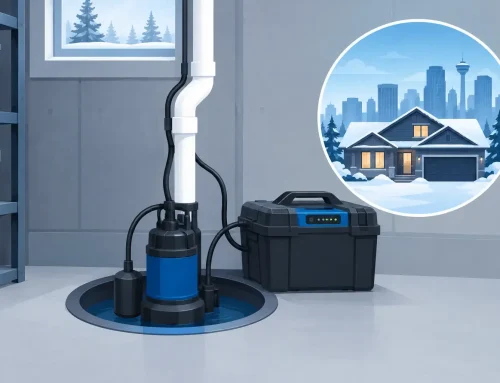
A sump pump remains one of the most important flood-defense tools for properties with a sump pit. The trend is toward more dependable setups rather than relying on a single standard pump. That can mean a properly sized primary pump, a secondary backup pump, a battery backup, and an alarm that alerts the owner when water is rising or power is lost.
Power outages are a key consideration. Storms can bring heavy water flow at the same time they interrupt electrical service. A battery backup system can continue pumping for a limited period, buying valuable time until power returns or help arrives. It is not a replacement for maintaining the main pump, but it is a meaningful second layer of protection.
Pump selection depends on the property. A home with a high water table, frequent spring runoff, or a large foundation drainage load may need a different solution than a newer home with a dry, well-drained lot. Commercial buildings and multi-unit properties may need more capacity, redundancy, or monitoring. The right recommendation starts with inspecting the pit, discharge line, check valve, pump condition, and the volume of water the system handles.
Monitoring Turns Small Warnings Into Action
Water alarms and connected monitoring devices are becoming more common because they address a simple problem: leaks and pump failures can go unnoticed for hours. A sensor near a water heater, laundry area, mechanical room, or sump pit can provide an early alert when water is detected.
These devices are especially useful for rental homes, vacant units, businesses closed overnight, and properties where the owner travels often. They do not stop a flood on their own. Their value is speed. A prompt alert can lead to a fast response before a slow leak becomes soaked flooring, damaged inventory, or mold conditions.
Drainage Outside the Building Is a Major Priority
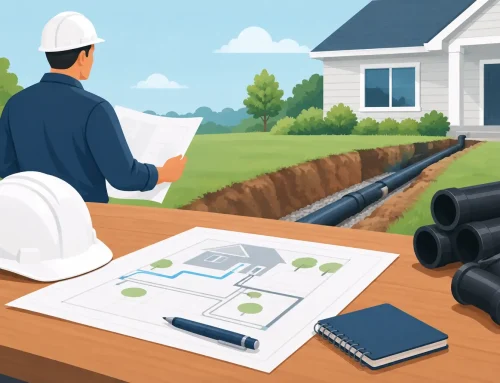
Many flood problems begin outdoors. Water that collects near a foundation has fewer places to go, especially when soil is frozen, compacted, or sloped toward the building. One of the most practical prevention trends is giving exterior drainage the same attention as interior plumbing.
Downspouts should direct roof runoff well away from the foundation, not discharge beside it. Extensions need to stay clear of walkways and should not create icy areas in winter. Eavestroughs also need regular cleaning and secure connections so overflow does not pour against the house during a storm.
Grading matters as well. Soil should generally slope away from the structure so surface water is directed toward a safe drainage path. Landscaping changes, patios, garden borders, and new paving can all alter how water moves across a lot. What looks like a cosmetic upgrade can unintentionally create a low spot beside the foundation.
This is an area where there are trade-offs. A property owner may want to capture rainwater for landscape use, but storage and discharge must be planned so overflow does not return water toward the building. Likewise, adding impermeable surfaces can make a yard easier to maintain while increasing runoff. Good flood prevention accounts for the whole site, not just the basement.
Backwater Valves and Sewer Backup Protection
A backwater valve is designed to help prevent sewage from flowing backward through a building’s drain system when the public sewer is overwhelmed. This protection is increasingly relevant for lower-level fixtures such as basement bathrooms, floor drains, and laundry connections.
The valve must be correctly installed and accessible for inspection. Like any mechanical component, it needs maintenance. A valve blocked by debris or left uninspected may not operate as intended when it is needed most. For that reason, sewer backup protection should be part of a broader drainage plan, not a device installed and forgotten.
Before recommending a valve, a plumbing professional should assess the existing drain layout, fixture locations, and local requirements. In some cases, drain cleaning, sewer camera inspection, or repairs to a damaged line may be the more urgent need. Tree roots, grease buildup, shifting soil, and cracked pipe can restrict drainage and create a separate backup risk that a valve alone will not solve.
Preventive Drain Cleaning Is Becoming More Targeted
Routine drain cleaning is no longer limited to clearing a clog after water stops draining. More owners are using camera inspections to understand the condition of sewer lines and make decisions based on evidence. A camera can reveal root intrusion, standing water, offset joints, corrosion, or buildup that may be restricting flow.
For appropriate pipe materials and conditions, hydro jetting can remove stubborn buildup from sewer and drain lines. It is a powerful service, but it is not automatically right for every system. Older or damaged pipes may require an inspection first to avoid worsening an existing issue. The right method depends on what the line is made of, its condition, and the cause of the blockage.
For restaurants, multi-unit buildings, and other commercial properties, scheduled drain maintenance can help prevent operational disruptions. For homeowners, it can be particularly useful when recurring slow drains, sewage odors, gurgling fixtures, or repeated backups point to a developing sewer problem.
Flood Protection for Rural and Acreage Properties
Rural properties face a different mix of risks. A private well, cistern, septic system, pressure tank, drainage ditch, or livestock water system can all be affected by runoff and seasonal changes. Water moving across an acreage does not always follow the routes a property owner expects, particularly during rapid snowmelt.
Protecting these systems may involve checking surface drainage around wellheads and cistern access points, confirming that pumps and electrical connections are protected, and inspecting septic components before high-water periods. A sump pump setup may still be essential inside the home, but the exterior water-management plan often needs to cover a much larger area.
A Seasonal Plan Beats a Last-Minute Fix
The strongest flood-prevention strategy is routine attention. Before spring runoff and storm season, test the sump pump by adding water to the pit and confirming it starts, pumps, and shuts off properly. Check that the discharge line is clear and directs water away from the foundation. Inspect downspouts, clear debris from eavestroughs, and watch for new soft spots or pooling near the building.
Inside, pay attention to small changes. A musty smell near the basement wall, a sump pump that runs constantly, a floor drain that gurgles, or a drain that suddenly slows down deserves investigation. Those signs do not always mean a flood is imminent, but they are much easier to address before water is spreading through finished space.
Kingstree Plumbing can inspect sump and drainage systems, address sewer and drain concerns, install flood-protection equipment, and respond when water is already where it should not be. A few preventive checks before the next weather event can give your property the time and protection it needs when conditions change fast.

Related Posts