

Emergency Plumbing Review: What Matters at 2 AM
A burst supply line does not wait for business hours. Neither does a sewer backup in a rental unit, a failed sump pump during a storm, or a water heater that starts leaking across a finished basement. When you need help fast, an emergency plumbing review can tell you far more than whether a customer felt generally satisfied. Read closely, and it can show whether a company arrived when it said it would, controlled the immediate damage, explained the repair, and stood behind the work.
For homeowners, landlords, property managers, and business operators in Sherwood Park and the Edmonton area, the stakes are practical. The right emergency plumber can limit water damage, reduce downtime, and help protect a property from a much larger repair bill. The wrong choice can mean vague arrival windows, incomplete repairs, surprise charges, or a return visit for the same problem.
How to Read an Emergency Plumbing Review
Start by looking past the star rating. A high rating is encouraging, but emergency work is different from a routine faucet repair. You want details that show how a plumbing company performs under pressure.
The most useful reviews describe the original problem, what happened after the customer called, and the final result. Look for comments about an active leak being isolated, a blocked drain being cleared, a sewer line being diagnosed, or a failed water heater being made safe. Specifics are harder to fake and more useful than a simple comment saying the service was “great.”
Pay attention to whether reviewers mention communication. In an emergency, a technician may need time to reach the property, pick up a part, or arrange a follow-up installation. That can be reasonable. What matters is whether the company gave the customer a clear update, explained the next step, and showed up as promised.
A review that says, “They told us what could be done tonight and what needed to wait until morning,” can be a stronger signal than one that promises every repair was instant. Good emergency plumbing involves honest triage. A technician should stop the immediate hazard first, then recommend the proper permanent repair.
Response time means more than fast arrival
“Quick response” appears in many reviews, but it is worth reading the context. Was the customer dealing with water pouring through a ceiling? Did the plumber provide instructions to shut off the water while help was on the way? Did the technician arrive prepared to assess and stabilize the situation?
Speed matters, but preparedness matters too. A plumber who arrives quickly but cannot identify the source of the leak or safely repair it has not solved the real problem. Look for reviews that mention diagnosis, clear options, replacement parts, drain-cleaning equipment, or temporary measures that protected the property until a larger repair could be scheduled.
This is especially important for commercial properties and multi-unit buildings. One clogged main sewer line or failed shutoff valve can affect several tenants. Reviews from property managers can reveal whether a plumbing company understands access coordination, tenant communication, cleanup expectations, and the need to restore service with minimal disruption.
Look for pricing clarity, not promises of the lowest price
Emergency plumbing costs can vary based on the time of day, the type of failure, accessibility, required equipment, and whether parts are available. A review that praises a company for being “cheap” does not automatically mean it received the best repair.
Instead, look for wording such as “explained the cost before starting,” “gave us repair options,” or “showed us the issue on camera.” Those comments point to a professional process. Clear pricing allows you to make a decision before work moves forward, particularly when the repair involves a sewer line, water heater, boiler, sump pump, or damaged water piping.
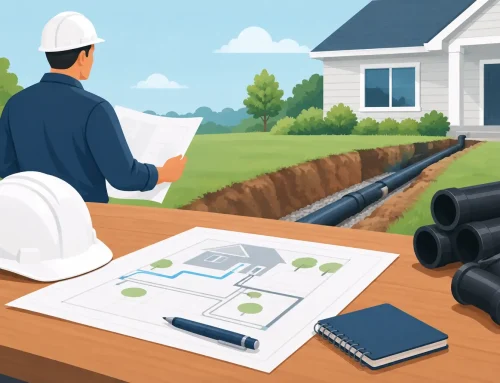
There is also a difference between stopping an emergency and completing a full restoration. For example, shutting down a leaking Poly-B line may be the immediate priority. Replacing a larger section of aging pipe or planning a full repipe is a separate discussion. A good review often reflects that distinction: urgent damage control first, then a transparent plan for durable work.
What Strong Emergency Plumbing Reviews Usually Mention
The best reviews tend to return to the same practical signs of dependable service:
- The customer could reach a real person or get a prompt response after calling.
- The plumber arrived within a communicated window and treated the situation with urgency.
- The technician identified the source of the problem instead of treating only the visible symptom.
- Repair options, expected costs, and any follow-up work were explained in plain language.
- The work area was respected, and the customer knew what to watch for after the repair.
Not every emergency ends with a complete repair on the first visit. Parts may need to be ordered, a line may require camera inspection, or a major excavation may need planning. That is not necessarily a negative. The key question is whether the first visit made the property safe and left the customer with a clear, realistic next step.
Watch for reviews that match your type of problem
A homeowner with a leaking kitchen pipe should not evaluate a company exactly the same way as an acreage owner with a failed well pump or a restaurant with a recurring drainage issue. Find reviews that resemble your situation.
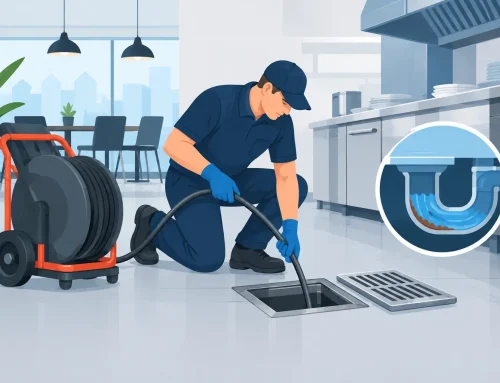
For drainage emergencies, look for mentions of drain cameras, root intrusion, hydro jetting, recurring backups, and cleanup guidance. A simple plunge may clear a small clog, but repeat backups can point to a larger issue in the sewer line. Reviews that describe a technician investigating the cause can help distinguish a lasting repair from a temporary reset.
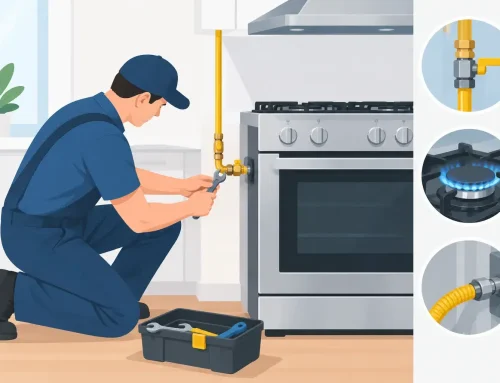
For water emergencies, look for experience with water heaters, pressure tanks, shutoff valves, burst pipes, sump pumps, and flood prevention. If the issue involves a boiler, gas line, or suspected gas leak, the provider should have the right trade qualifications and treat safety as the first priority.
Rural and acreage properties need another layer of expertise. A loss of water pressure can involve a well pump, pressure tank, cistern, electrical controls, frozen piping, or a water-treatment system. Reviews that describe private water systems are more relevant than general comments about household plumbing.
Red Flags in an Emergency Plumbing Review
One negative review does not always tell the full story. Emergencies are stressful, and even a skilled technician cannot make every damaged pipe, blocked sewer, or aging fixture inexpensive. Still, repeated patterns should make you pause.
Be cautious when reviews repeatedly mention missed appointments, poor communication, unexplained charges, or repairs that failed shortly afterward. Also pay attention to complaints that say a company would not explain the problem or pressured the customer into a large repair without showing evidence. For a sewer repair, camera findings should be explained. For a water heater replacement, the reason for replacement should be clear. For an active leak, you should understand what failed and whether nearby piping is at risk.
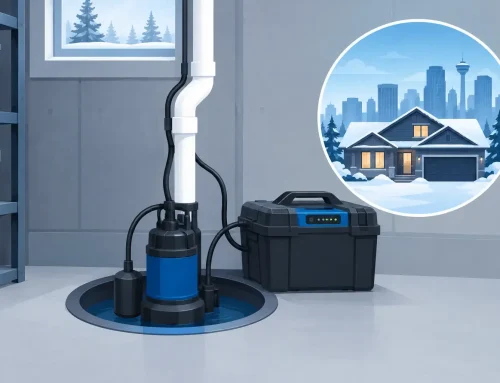
Another red flag is a company that seems to handle only the immediate symptom with no discussion of prevention. If a basement drain backs up repeatedly, the property may need more than another basic clearing. If a sump pump fails, the homeowner may need to consider a backup system, alarm, discharge routing, or maintenance plan. Emergency service should solve the urgent issue while helping the customer make informed decisions about what comes next.
Questions to Ask Before You Call
Reviews narrow your options, but a short phone conversation can confirm whether a plumber is a fit for the job. Describe what you see, when it started, whether water is still flowing, and whether you can safely access the main shutoff. Ask whether the company provides emergency service for your type of issue and whether the technician can diagnose and repair it during the visit.
It is also reasonable to ask how arrival updates work, whether diagnostic charges apply, and how estimates are handled before major repairs begin. If the problem is a sewer backup, loss of heat, no water at an acreage, or a possible gas issue, say so immediately. Those details affect the urgency, equipment, and qualifications needed.
Kingstree Plumbing serves emergency calls alongside planned repair, drainage, heating, water-system, and gas-fitting work. That breadth matters when an overnight problem reveals a larger issue that needs professional follow-through rather than a temporary patch.
Use Reviews to Choose Calm, Not Just Speed
The best emergency plumbing review leaves you with a picture of how a company behaves when a customer is under stress. It shows prompt action, straight answers, capable diagnosis, and repair work that holds up after the water is off and the immediate panic has passed.
Keep the number of a qualified local emergency plumber before the next failure happens. When a pipe breaks or a drain backs up, you should be making one clear call, not trying to judge a contractor while water spreads across the floor.

Related Posts