

Are Backwater Valves Required for Your Property?
A finished basement can go from comfortable living space to a major cleanup project in minutes when a municipal sewer backs up. So, are backwater valves required for your home or building? Sometimes, yes. The answer depends on local plumbing and building requirements, the age and layout of the property, the type of sewer serving it, and whether you are building, renovating, or changing how the space is used.
For property owners in the Edmonton area, a backwater valve is often a practical flood-protection upgrade even when an existing home is not automatically required to have one. If you are planning a basement renovation, adding a bathroom, converting a suite, replacing underground drainage, or managing a commercial property with low-level fixtures, it is time to confirm the requirements before work begins.
What a backwater valve does
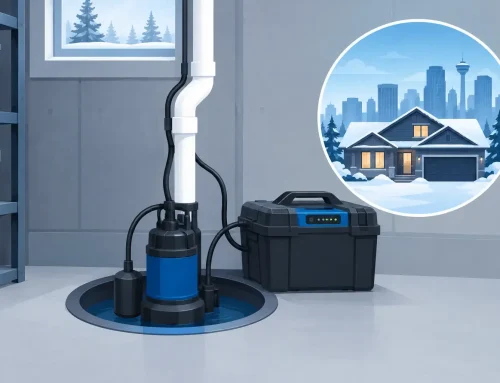
A backwater valve is installed on a building drain to stop wastewater from reversing direction and entering the property through floor drains, toilets, showers, sinks, or other low-lying fixtures. Under normal conditions, wastewater leaves the building and the valve flap remains open. If the public sewer becomes overloaded and flow pushes back toward the property, the flap closes.
It is a simple purpose with a high-stakes result: helping prevent sewage from entering the lowest part of a home or building during a sewer backup.
Backwater valves are most commonly associated with sanitary sewer backups. They are not a cure-all for every water problem. Groundwater seepage, foundation cracks, failed weeping tile, sump pump failures, and overland stormwater need different solutions. An inspection should identify the actual path water could take before anyone recommends equipment.
Are backwater valves required by code?
New construction and major plumbing work are where code requirements most often come into play. Plumbing codes generally require protection where plumbing fixtures are located below the level at which the public sewer could back up into the building. That can include basement bathrooms, laundry rooms, floor drains, and fixtures in below-grade commercial spaces.
The exact trigger is not always as simple as “any basement needs a valve.” A licensed plumber considers the elevation of the sewer connection, the location of the next upstream maintenance hole, the building drain layout, and whether fixtures can drain by gravity. Local authority requirements and permit conditions also matter.
For an existing property, installing a backwater valve may not be mandatory unless you are undertaking work that brings the plumbing system under current requirements. A renovation that adds a basement bathroom or secondary suite, for example, can prompt a closer code review than a basic faucet replacement would. Municipal rebate programs, where available, can also have specific installation and permit conditions.
New homes and additions
New homes are typically designed with current drainage protection in mind. If lower-level fixtures are vulnerable to sewer surcharge, a backwater valve may be required as part of the approved plumbing design. Additions that include new below-grade plumbing can face the same requirement.
Do not assume that because a home is new, every possible flood pathway is covered. Ask what has been installed, where it is located, and which fixtures it protects. A backwater valve is one layer of a complete drainage plan, alongside proper lot grading, functioning eavestrough drainage, sump equipment where needed, and maintained sewer lines.
Basement renovations and secondary suites
A basement renovation is one of the clearest moments to assess sewer-backup protection. Once walls, flooring, and finished cabinetry are in place, accessing underground drainage becomes more disruptive and expensive. If the project includes a bathroom, bar sink, laundry area, or floor drain, have the drainage layout reviewed before the concrete work and finishes are completed.
Secondary suites deserve particular attention. They add plumbing fixtures and create an occupied living area below grade, raising both the practical consequences of a backup and the need for a compliant, serviceable installation. The valve must remain accessible for inspection and cleaning. Hiding it permanently behind finished flooring or built-in cabinetry creates a future problem.
Commercial and multi-unit properties
Commercial buildings, rental properties, and multi-unit sites need a more detailed assessment. A single backwater valve can interrupt drainage from fixtures upstream when it closes. During a surcharge event, occupants may be unable to use connected toilets, sinks, or drains until the public sewer condition subsides.
That trade-off is necessary to stop contaminated wastewater from coming back into the building, but it must be considered in the design. A plumber may recommend separate drainage arrangements, carefully selected valve locations, or other protective measures depending on the building use and fixture layout. Restaurants, medical offices, retail spaces, and apartment buildings should not rely on a one-size-fits-all approach.
When a valve is worth installing even if it is not required
Code establishes a minimum standard. Your property’s risk may justify more protection.
A backwater valve is worth discussing if your neighborhood has experienced sewer backups, your home has a finished basement, or your building has fixtures below street level. Older properties can be especially vulnerable because their drainage systems may predate current practices, and mature neighborhoods can have aging municipal infrastructure or combined drainage challenges.
It is also a sensible consideration before a major basement remodel. The cost and disruption of adding a valve during planned drainage work are often lower than opening a newly finished floor after a backup. For landlords and property managers, the decision also protects tenant spaces, reduces downtime, and may help avoid difficult cleanup and restoration work.
Rural and acreage properties are different. Homes on septic systems do not face a municipal sanitary sewer backup in the same way, but they can still have drainage failures, overloaded septic components, or low-level fixture issues. A site-specific review of the septic system, sump setup, grading, and interior drainage is the right starting point.
Choosing the right installation
Backwater valves are not interchangeable parts. The right valve must match the pipe size, flow direction, drainage configuration, and intended application. It also needs a location that allows future access without compromising the finished space.
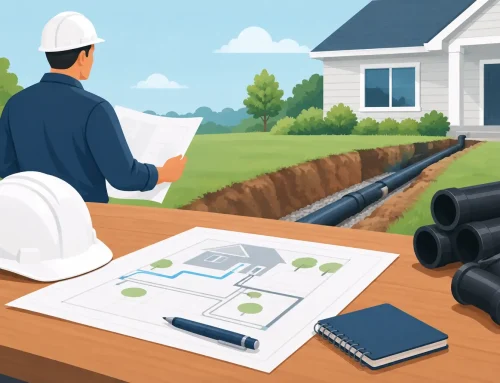
In some homes, installation involves opening a concrete slab to access the main building drain. In others, the valve can be incorporated while replacing a section of drain piping. The work should include proper cleanouts, secure connections, testing, and restoration planning. A permit may be required depending on the scope and local rules.
A qualified plumber should also check for related problems before installation. A valve cannot correct a cracked sewer line, chronic tree-root intrusion, a blocked main drain, or an improperly connected downspout. Camera inspection and drain cleaning can be valuable when there is a history of slow drains, recurring clogs, or past backups.
Maintenance is part of flood protection
A backwater valve only works when its flap can move freely and seal properly. Debris, grease, wipes, sediment, and damaged components can keep it from closing when it matters most. Despite what packaging may suggest, it is not a fit-and-forget device.
Most property owners should arrange a visual check and cleaning at least once a year, and more often where drain use is heavy or the property has had sewer issues. The access cover should remain clear, and everyone responsible for the building should know where the valve is located.
Never flush wipes, paper towels, hygiene products, grease, or other materials marketed as “flushable.” These materials can contribute to blockages in both private and public sewer systems and can interfere with valve operation.
Get a clear answer before the work starts
Whether a backwater valve is required should be confirmed as part of the plumbing plan, not guessed after a basement has flooded or a renovation is underway. Kingstree Plumbing can assess your drainage layout, identify sewer-backup risks, explain practical options, and complete code-conscious installation and maintenance work for homes and commercial properties.
If your basement has low-level fixtures, your property has a history of sewer trouble, or you are planning to renovate, treat the question as a chance to protect the space before it becomes an emergency.

Related Posts