


Why You Need Sherwood Park Sewer Line Inspection Experts Today
Why You Need Sherwood Park Sewer Line Inspection Experts Today
Nearly three in five homes develop a hidden sewer issue beneath the surface, and Sherwood Park’s freeze-thaw cycles don’t help (InterNACHI sewer scope inspection guidance). When you work with Sherwood Park sewer line inspection experts you catch problems early and protect your property from costly backups. Our team at Kingstree Plumbing uses high-definition camera systems to spot root intrusions, cracks, and sags before they escalate.
Good news, early inspections can save you thousands (a typical sewer lateral replacement runs $7,000 to $15,000). Let’s walk through why regular checks matter, how to spot warning signs, and how to partner with local professionals who know Sherwood Park’s unique seasons and soil conditions.
Plan regular inspections
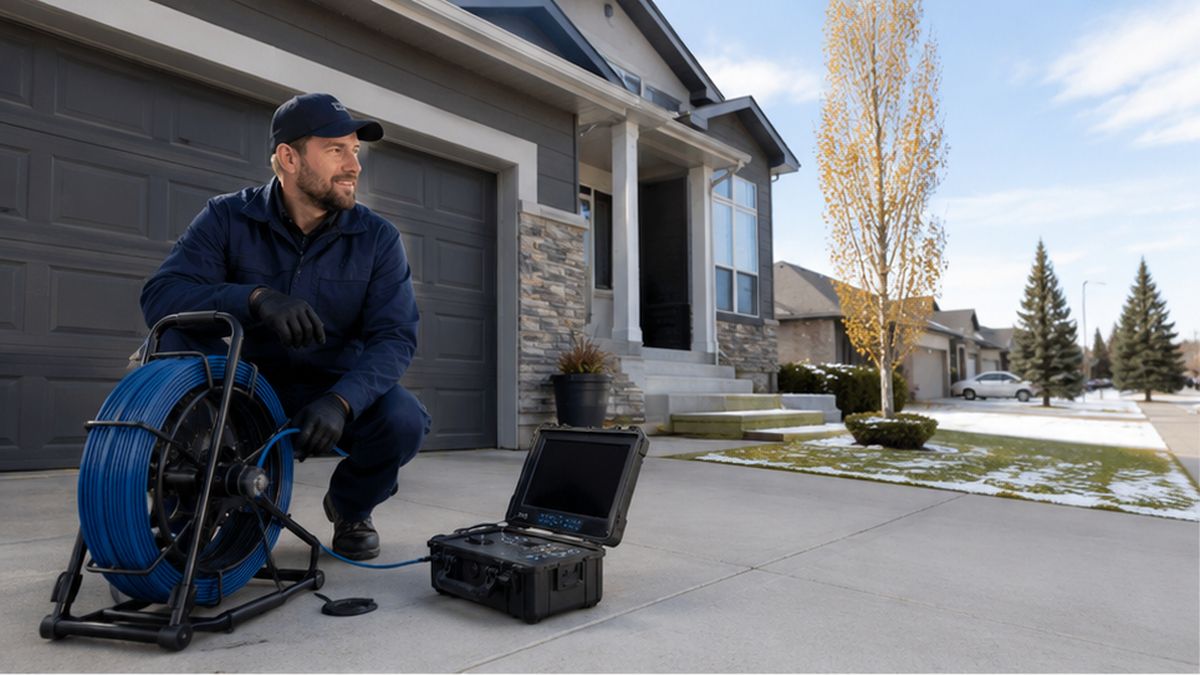
Sewer Line Inspection in Sherwood Park cleanout process by Sewer Line Inspection Experts
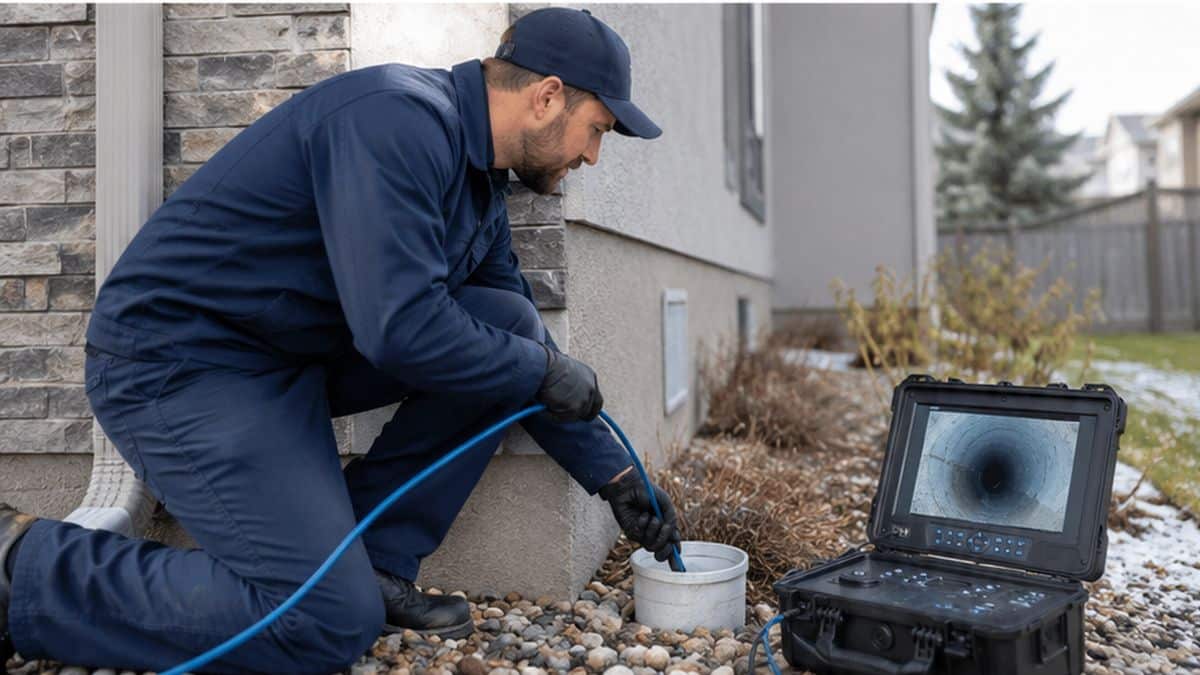
Sewer Line Inspection in Sherwood Park monitor view by Sewer Line Inspection Experts
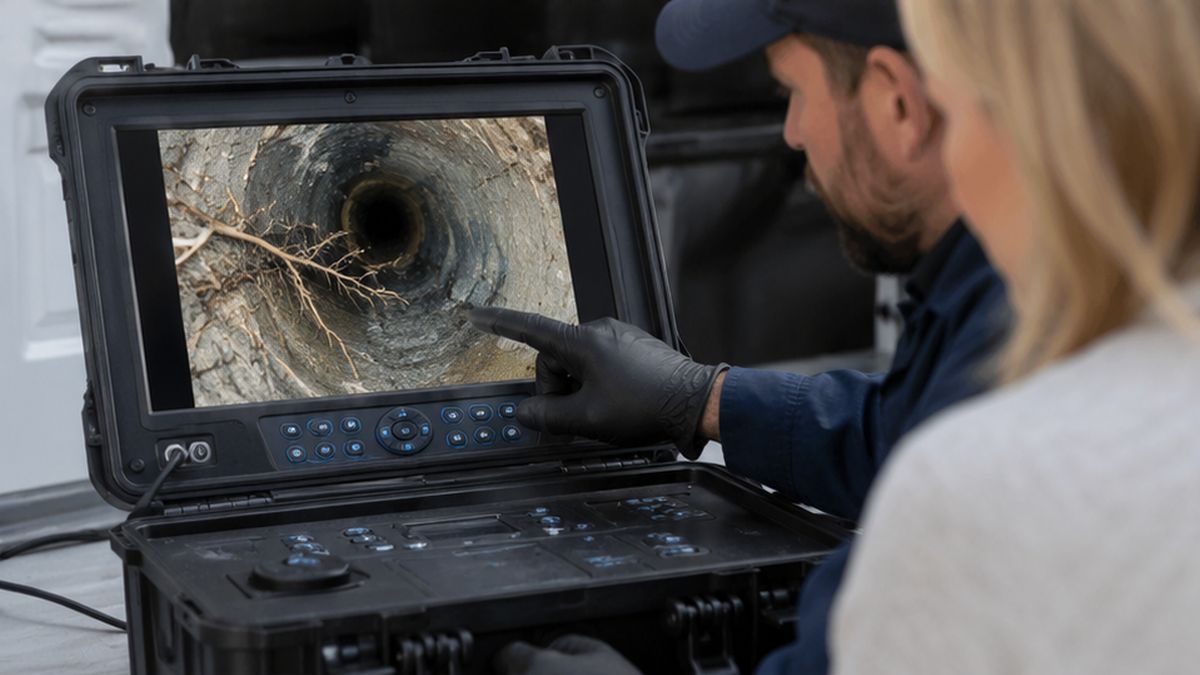
Sewer Line Inspection in Sherwood Park report review by Sewer Line Inspection Experts
Routine inspections keep small issues from becoming major repairs. Experts recommend:
- Homes 10 years or newer: once a year
- Homes older than 10 years: twice a year (spring and fall)
A clear schedule helps you stay on track. For older properties in Broadmoor or Glendale Estates (where mature trees mean more root pressure), a spring check after thaw and a fall check before freeze can catch early leaks. If you’ve had a basement backup or heavy rainfall near Sherwood Park Mall, bump your next inspection forward—those events can shift pipe alignment or wash out bedding material.
Follow age-based schedule
An inspection every 12 months for newer builds still under warranty protects your investment. For older homes, twice-a-year checks (around March and October) align with freeze-thaw and root growth cycles.
Adjust after major events
Heavy rains in June, a sump pump failure, or a clogged storm drain can send debris into your lateral line. After any major weather event or plumbing issue call your experts at Kingstree Plumbing for a quick follow-up inspection.
Detect early warning signs
You don’t need a camera to know something’s off. Watch for:
- Slow drains in sinks or showers
- Recurring toilet backups
- Gurgling sounds near showers or floor drains
- Foul sewer odors in your basement
- Patches of unusually lush grass in your yard
In areas like Jubilee Park where tree roots often seek moisture, those gurgles or green patches usually point to a leaking joint. If you notice more than one sign, it’s time for a sewer line inspection. Early detection spares you from raw sewage cleanup and foundation damage (that can cost five figures).
Use camera inspections
Video sewer cameras give a front-row view of your pipes. A flexible cable feeds a high-definition camera through your cleanout, sending images to a monitor so you and your technician see exactly what’s inside.
For a step-by-step breakdown of what we see on screen and how we document each defect, check out our sewer line camera inspection in Sherwood Park guide.
| Feature | DIY approach | Professional inspection |
|---|---|---|
| Cost | $1,000–$15,000 buy or $200/day rent | $250–$300 typical in Alberta |
| Resolution | Often grainy | HD clarity for cracks and roots |
| Time | Learning curve + setup | About 1 hour on site |
| Reporting | No formal report | Detailed findings + recommendations |
Good news, you don’t need to buy or rent expensive gear. With our camera inspection services you get clear footage, a written report, and a plan—no guesswork.
Why high-definition matters
A 2023 study shows standard-definition cameras miss up to 40% of hairline cracks (North American Plumbing Journal). HD feeds catch subtle corrosion or offset joints that lead to root intrusion.
Pick local professionals
Not every plumber has specialized sewer training. Look for:
- Proper certification (OSHA, PACP, H2S awareness)
- Liability insurance and bonding
- Clear, upfront quotes with no hidden fees
- Local reviews from Sherwood Park homeowners
Our professional sewer line inspection in Sherwood Park team undergoes police checks and drug tests. You’ll get a precise scope, a safety-compliant crew, and a written estimate before any work begins.
What to ask
- Do you use confined-space entry protocols?
- Can I see recent inspection reports?
- How do you handle emergency calls?
- What’s included in your warranty?
Time seasonal checks
Sherwood Park’s climate plays a big role in pipe health:
- Winter (Dec–Feb): Ground freezes, shifting pipes
- Spring thaw (Mar–Apr): Soil settles, exposing cracks
- Summer rains (Jun–Jul): Heavy flow tests joints
- Fall root growth (Sep–Oct): Trees invade tiny gaps
Strathcona County wastewater services also emphasize regular maintenance and quick response when homeowners notice early signs of sewer backups.
Plan inspections right before thaw and before the ground freezes. That way you catch winter-freeze damage in spring and root pressure issues before freeze ups.
Good news, syncing checks with seasons simplifies scheduling and ties into preventative maintenance that protects your sewer line year-round. By booking inspections before spring thaw and before winter freeze, you can catch shifting pipes, early cracks, and root pressure before they trigger backups, emergency calls, or costly repairs.
Related sewer line inspection resources in Sherwood Park
- Professional sewer line inspection in Sherwood Park
- When to call sewer line inspection experts
- Sherwood Park sewer line inspection cost guide
- Benefits of sewer line camera inspections
- Sewer line inspection tips for homeowners
Frequently Asked Questions
What is a sewer line inspection, and what does it check for?
A sewer line inspection uses a high-definition camera fed through a cleanout or access point to view the inside of your sewer pipe in real time. It checks for common problems like grease and debris buildup, root intrusion, cracks, pipe sagging (bellies), offset joints, corrosion, and signs of recurring backups—so you can fix the real cause instead of guessing.
How often should I schedule a sewer line inspection in Sherwood Park?
For most homes, a practical schedule is once per year for newer properties and twice per year for older homes—typically spring and fall to match Sherwood Park’s freeze-thaw and root-growth cycles. You should also schedule an inspection sooner if you notice slow drains, gurgling, recurring toilet backups, odors, or yard soft spots, or after major rain events that may shift soil and pipe alignment.
What issues can sewer camera inspections find that homeowners usually miss?
A camera inspection can reveal hidden problems that don’t show up until they’re severe—like hairline cracks, small root hairs entering joints, early pipe offsets, partial collapses, and low spots that collect waste. These “early-stage” defects often cause intermittent slow drains or occasional backups before turning into a full blockage or sewer overflow.
How long does a professional sewer line inspection take, and will it damage my yard?
Most inspections take about an hour on site, depending on access and how far the camera needs to travel. Because the camera goes through an existing cleanout/access point, it’s typically minimally invasive and does not require digging up your yard—unless the inspection confirms a repair that truly needs excavation.
What’s included in a sewer line inspection report, and what happens after the results?
A professional inspection should include clear video footage, identified problem locations, and straightforward recommendations. After the findings, your next step depends on what the camera shows—this could be targeted drain cleaning, root removal, spot repair, or planning a longer-term fix. Working with sewer line inspection experts helps you choose the most cost-effective solution based on confirmed evidence, not assumptions.
Share This Story, Choose Your Platform!
About the Author: Brett Kingstree

Related Posts