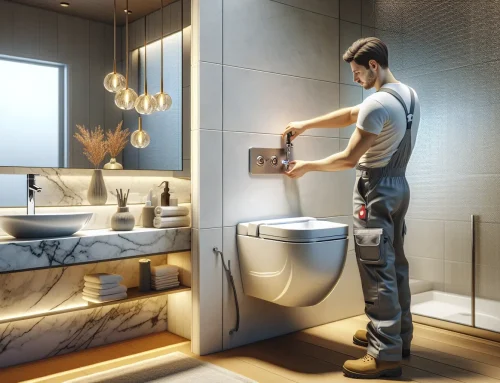


Avoid Common Mistakes in Faucet Replacement Edmonton
Even small fixture leaks add up fast, which is why water-efficient, properly installed faucets matter (EPA WaterSense). When you’re planning a faucet replacement in Edmonton, avoiding common missteps can save you water, time and money. Whether you’re refreshing a bathroom sink or upgrading your kitchen tap before winter’s deep freeze, this guide walks you through permit checks, material picks, tool prep and installation steps. For a hassle-free option, visit faucet replacement & installation in Edmonton.
Key takeaway: With the right prep and technique, you’ll dodge leaks, damage and costly callbacks.
Know permit requirements
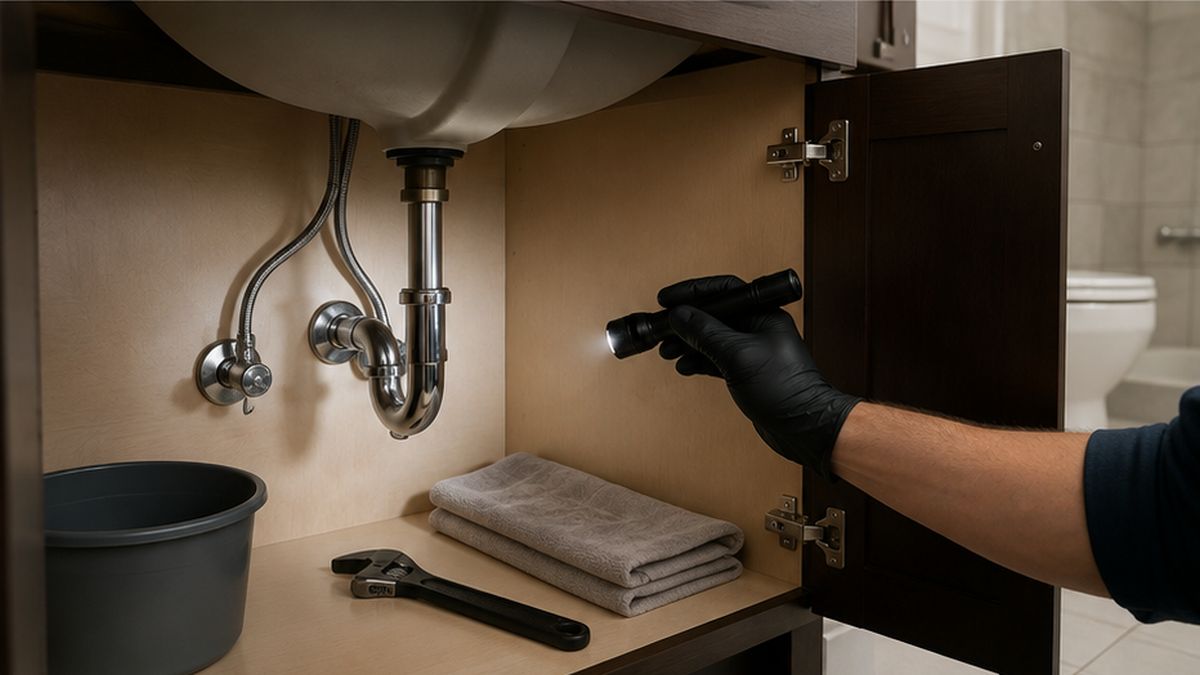
Faucet Replacement & Installation in Edmonton begins with a Faucet Replacement inspection of shutoff valves, supply lines and existing connections.
Under Alberta’s Safety Codes Act, you need a permit to install or alter plumbing lines (see City of Edmonton plumbing permits). Good news (swapping an existing faucet in the same spot doesn’t require one).
To confirm your project scope:
- Identify if you’re changing supply lines or just replacing the fixture.
- Visit the City of Edmonton portal to review permit criteria.
- Apply online or in person if you alter piping or drainage.
- Keep documentation handy in case of inspections.
If you’re unsure, reach out to Edmonton plumbing services for guidance on local codes and permit help.
Choose durable faucet
Picking the right tap sets you up for years of reliable use, especially with Edmonton’s moderately hard water.
Compare material options
| Material | Pros | Cons |
|---|---|---|
| Brass | Highly durable, corrosion-resistant | Heavier, higher cost |
| Stainless steel | Rust-resistant, sleek finish | Shows water spots |
| Plastic/composite | Affordable, varied finishes | Less durable, may crack |
Consider valve type and style
Ceramic cartridges outlast ball valves and seal more tightly. Single-handle faucets let you dial temperature quickly, while dual handles offer precise control. Also think about deck configuration—single-hole, centerset or widespread—so your new tap fits without extra drilling.
Factor in efficiency standards
Natural Resources Canada outlines faucet efficiency requirements and updates (see NRCan faucet regulations). Private lavatory faucets could cap at 4.5 L/min, kitchens at 6.8 L/min. A water-efficient model trims your utility bills and supports Edmonton’s net-zero goals.
Prep and install faucet
Good installs start well before you touch plumbing parts.
Gather essential tools
- Basin or adjustable wrench
- Plumber’s tape (Teflon tape)
- Plumber’s putty or silicone sealant
- Bucket and old towel (for drips)
- Safety glasses and gloves
Protect against freezing
Edmonton winters can dip below –30 °C. If your supply lines run along outside walls, wrap them in foam sleeves or install heat tape. Good news (foam sleeves cost under $5 at most hardware stores).
Follow installation checklist
- Shut off hot and cold supply valves under the sink.
- Open the old faucet to drain residual water.
- Place a bucket and towel beneath to catch any drips.
- Loosen mounting nuts and lift out the old tap.
- Clean the sink surface and mounting holes.
- Apply plumber’s putty or sealant to the new faucet base.
- Position the faucet, then hand-tighten mounting nuts.
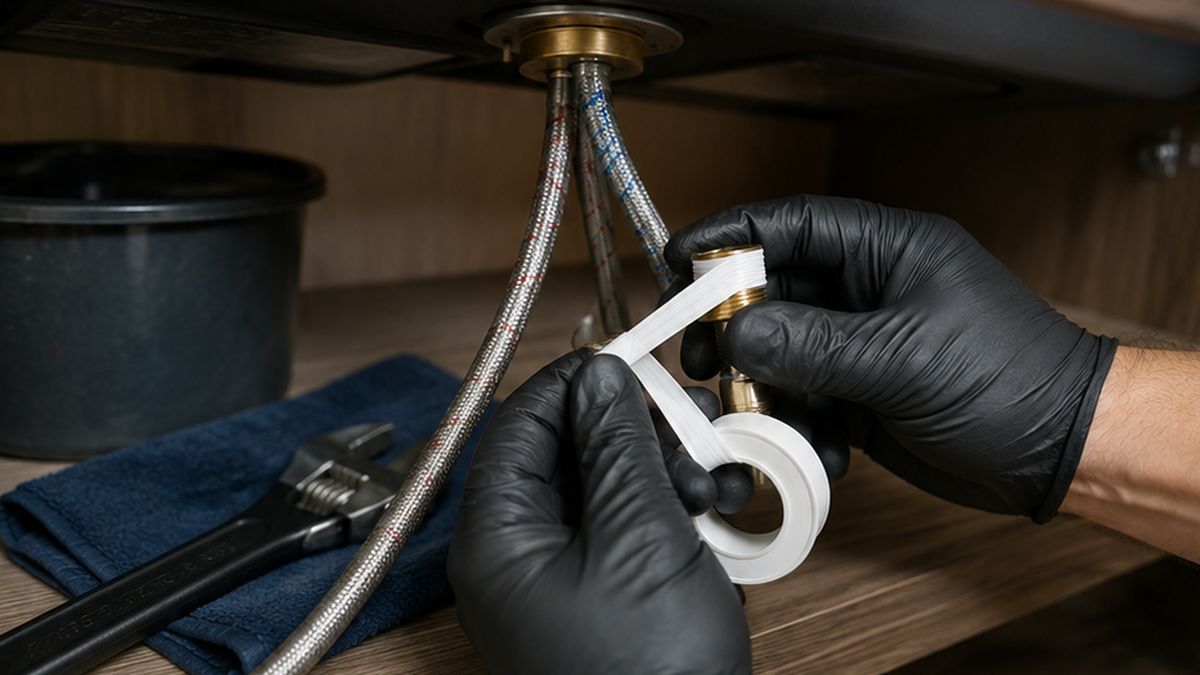
- Wrap supply line threads with tape—three full turns.
- Connect hot (left) and cold (right) lines.
- Tighten all fittings until snug (avoid overtightening).
- Slowly open supply valves and watch for leaks.
Common pitfalls: skipping plumber’s tape, overtightening nuts (this can crack fittings), or mixing up hot and cold connections.
Test setup and safety
Verifying performance now prevents headaches later.
Check for leaks and drips
Turn on both handles (or activate the sensor) and run for at least a minute. Inspect around the base and beneath the sink. Even small drips can waste water and lead to freeze damage once temperatures fall.
Confirm water flow
Time how long it takes to fill a 2 L container. If it overflows before 20 seconds, you exceed about 6 L/min. Compare to your faucet’s rated flow—adjust or install an aerator if needed.
Inspect functionality
- Move handles through their full range, checking for stiffness.
- For pull-down sprayers, ensure the hose retracts smoothly.
- On touchless models, test sensor range and battery or power connections.
Know when to call pros
Some issues call for professional help. Contact an emergency plumber in Edmonton or one of the best plumbers in Edmonton if you encounter:
- Persistent leaks after retightening
- Corroded supply lines or valve seats
- Hidden pipe damage or extremely low pressure
- Electrical faults on touchless units
- Tight or awkward spaces you can’t access safely
Expert service saves time and prevents costly water damage.
Related Guides for Faucet Replacement in Edmonton
- Prevent Costly Plumbing Problems in Edmonton
- Benefits of Professional Faucet Installation
- Faucet Replacement Mistakes to Avoid
- Find a Reliable Edmonton Plumber Quickly
- Signs You Need an Emergency Plumber
Quick recap and next step
- Confirm whether you need a permit (simple swaps usually don’t).
- Choose a water-efficient, durable faucet fitted to your sink.
- Gather tools, protect against freeze and follow the installation checklist.
- Test thoroughly for leaks, flow rate and smooth operation.
- Call professionals if any issues persist.
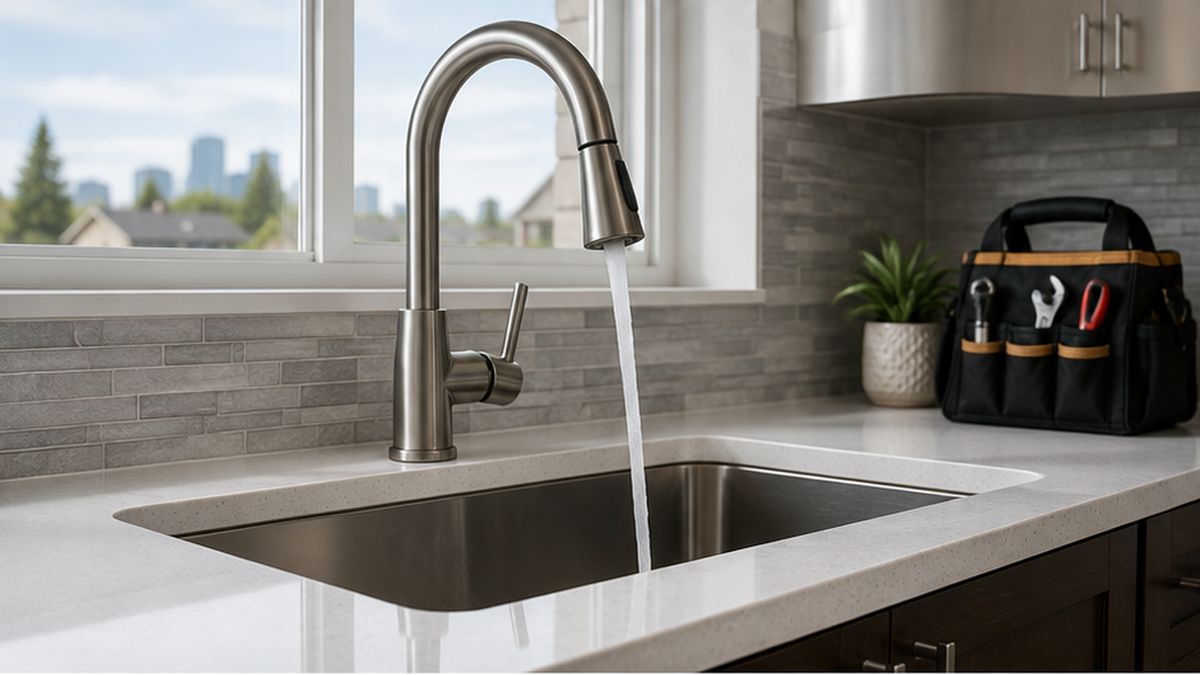
Faucet Replacement & Installation in Edmonton is complete, with the Faucet Replacement tested for smooth flow, leaks and a clean finish.
Need Faucet Replacement & Installation in Edmonton? Call now or Book Online.
Common faucet questions
- Do I need a permit to replace a faucet in Edmonton?
No (City of Edmonton). A permit is only required if you alter plumbing pipes or change fixture locations. - How long does a faucet swap usually take?
Most straightforward replacements take 1 to 2 hours for someone with basic tools and experience. - Can I install a touchless faucet myself?
Possibly if your sink cabinet has space and you follow the manufacturer’s wiring or battery guidelines carefully. - What material is best for long-lasting taps?
Brass and stainless steel resist corrosion best. Faucets with ceramic valves also seal more reliably over time. - Why does my new faucet still drip?
Drips often stem from loose fittings, missing plumber’s tape or a warped seal. Retighten connections, reapply tape and test again. If drips continue, consider calling a plumber.
Share This Story, Choose Your Platform!
About the Author: Brett Kingstree

Related Posts