

Don’t Panic! Sherwood Park Water Heater Troubleshooting Tips
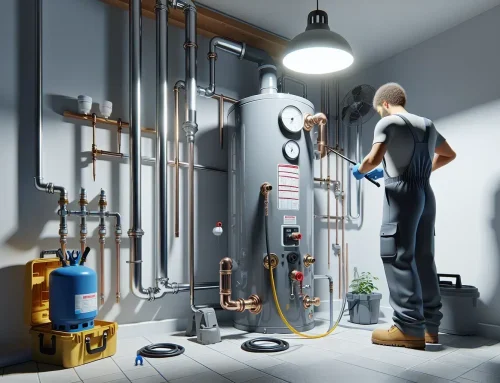
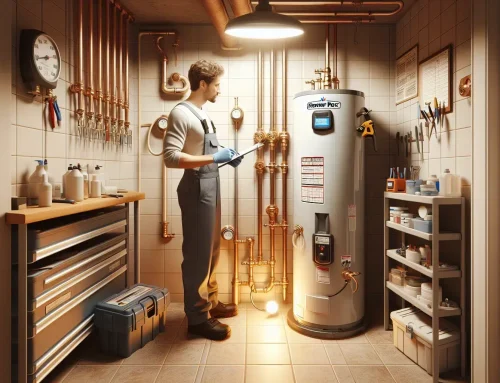
When it comes to Sherwood Park water heater troubleshooting, you don’t need to panic. In 2024, Canadians filed over $8.5 billion in claims for sudden and accidental water damage (Insurance Bureau of Canada). Whether you’re waking up to a cold shower in winter or spotting a puddle by your tank in spring, a few simple checks can save you from a bigger headache. For a thorough inspection, you can turn to Kingstree Plumbing of Sherwood Park to keep your system humming smoothly.
Need a Water Heater Inspection in Sherwood Park? Book a professional check to catch leaks, valve issues, and efficiency problems before they turn into water damage.
Good news, most hiccups can be solved with a few quick steps before you call a pro. Here’s how to spot trouble early, inspect key components, try easy fixes, and know when it’s time to bring in an expert.
Spot warning signs
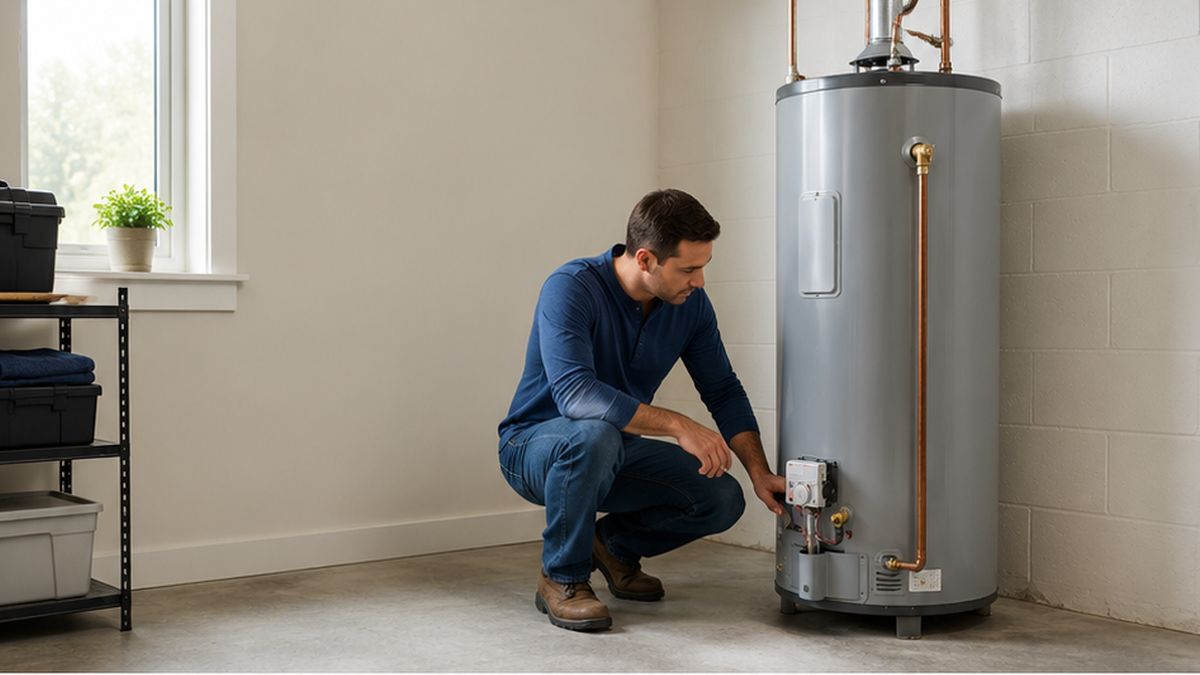
Watch for these red flags so you can act before water damage strikes:
- No hot water or only lukewarm output. You may have a faulty thermostat or broken heating element.
- Rusty water or odd taste. Corrosion inside the tank can let iron particles into your tap.
- Leaks or puddles around the base. A leaking tank often means the end of its service life.
- Loud banging or popping noises. Sediment buildup can trap steam pockets, then release them with a bang (Verne & Ellsworth Hann).
- Unusually high energy bills. An inefficient heater works harder, driving up your costs.
If you notice any of these, schedule a sherwood park water heater safety check right away. You’re on the right track to prevent small issues from turning into major repairs.
Inspect core parts
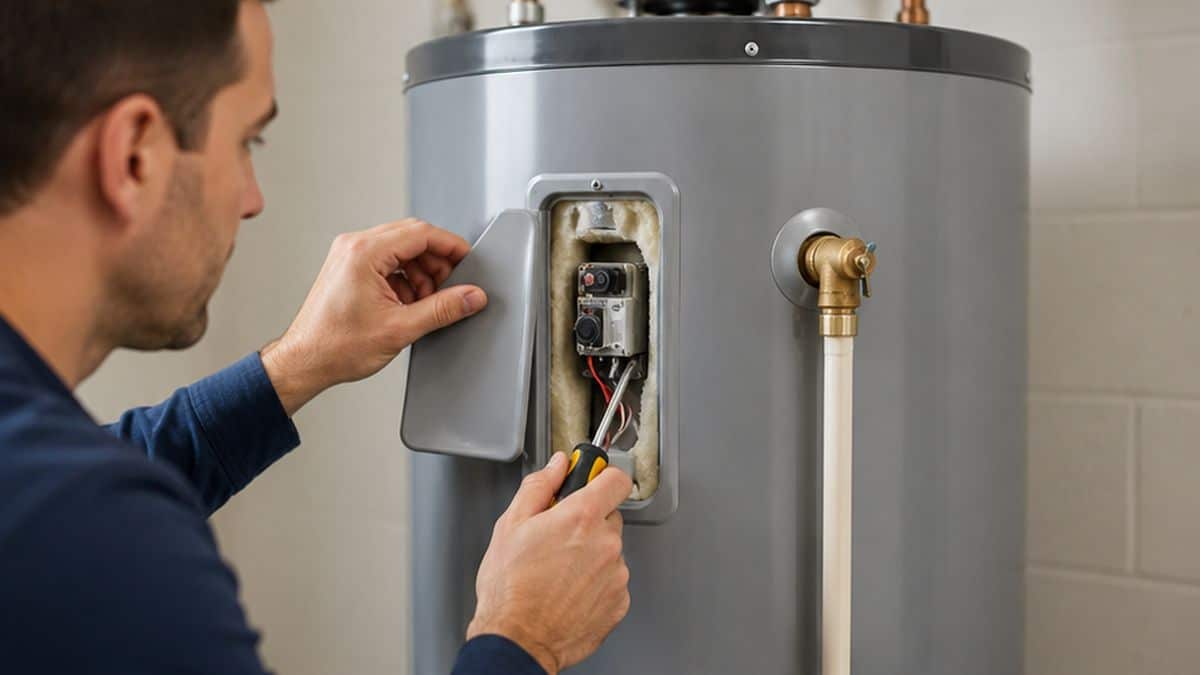
A quick look under the hood often reveals what’s wrong:
- Thermostat and heating elements
A defective thermostat or cracked element can leave you with no hot water. A professional from Capital Plumbing notes that element cracks are common after years of heating cycles. - Pressure relief valve
Lift the test lever carefully (wear gloves) and listen for a rush of water. If it drips afterward, the valve may need replacing. - Sacrificial anode rod
This metal rod prevents tank corrosion. If it’s worn through, your tank metal will start to rust. - Drain valve and sediment
Sediment can settle at the bottom and cause overheating. A quick flush can clear out grit and improve efficiency. - Gas burner or wiring
For gas models, inspect the burner flame (should be steady blue). For electric units, ensure all connections are tight and dry.
To stay ahead of wear and tear, follow our sherwood park water heater maintenance routine at least once a year. It’s easier than it sounds and keeps your system running safely.
Try simple fixes
You can tackle some minor issues yourself—but always put safety first:
- Reset the breaker and heater switch
Turn off power at the breaker panel for 30 seconds, then switch it back on. This can reboot a tripped unit. - Adjust the thermostat
Set it to about 120 °F (49 °C) at the tap to reduce scald risk—Canada’s public health guidance recommends using mixing/anti-scald protection so delivered hot water is around 49 °C (120 °F). See Water temperature and burns/scalds (Government of Canada). - Flush the tank
Attach a hose to the drain valve, open a hot-water tap, then drain until the flow runs clear. This clears sediment and helps the burner or element work more efficiently. For efficiency tips and replacement considerations, Natural Resources Canada’s Guide to residential water heaters is a helpful reference for homeowners. - Tighten loose fittings
Check inlet and outlet pipes for hand-tight connections. A snug wrench turn can stop small drips. - Replace the pressure relief valve
If the valve leaks after testing, swap it out with a matching replacement from your hardware store.
Before you start, review our sherwood park water heater safety check guidelines. Some tasks—especially anything involving gas lines—are best left to licensed technicians.
More Sherwood Park water heater resources
- Water heater safety checks to stay protected
- Troubleshooting tips when hot water acts up
- Simple annual maintenance that prevents issues
- Top local companies for water heater inspections
- How to get ready for a water heater inspection
Know when to call a pro
You’ve tried the steps above but your heater still struggles. Here’s when you should reach out:
- Age over 8–10 years
A traditional tank typically lasts about 8 to 10 years, and many experts say it’s cost-effective to replace it after 9 years (ProSolutions Inc.). - Costly leaks
About 95 % of leak calls lead to full tank replacement rather than repair (Carter’s My Plumber). - Repair costs exceed 50 % of replacement
If fixing a failed element or valve starts to run close to half the price of a new unit, you’ll save in the long run by swapping it out. - Persistent temperature or pressure issues
Fluctuating output or safety-valve drips mean internal parts may be damaged.
When you’re ready, compare local pros via water heater inspection companies in Sherwood Park or book a full check with our sherwood park water heater inspection team. A professional evaluation uncovers hidden problems and ensures your heater meets all safety codes.
Quick recap and next step
- Spot warning signs early.
- Inspect core parts yourself.
- Try simple fixes—stay safe.
- Call a pro when age or leaks exceed DIY limits.
Need Water Heater Inspection in Sherwood Park? Call now or Book Online.
Frequently asked questions
How often should I flush my water heater?
It’s best to flush at least once a year. If you have hard water, consider flushing every six months to prevent sediment buildup.
Can I adjust my heater’s temperature myself?
Yes. Most units let you turn a dial behind the access panel. Just make sure to cut power first and use a thermometer to verify the new setting.
What causes low hot water pressure?
Sediment buildup can clog pipes or valves. Flushing the tank and checking inlet screens usually restores proper flow.
Is it worth repairing a 12-year-old heater?
At that age you’re beyond the typical 8–10 year lifespan. Repairs may be a short-term fix, so replacement is often more economical.
How can I prevent tank corrosion?
Replacing the sacrificial anode rod every 3–5 years helps protect the steel tank from rust. A regular maintenance visit will include this check.
Share This Story, Choose Your Platform!
About the Author: Brett Kingstree

Related Posts