


Understanding Edmonton Sewer Inspection for Your Property
Maintaining a healthy sewer line may not top your to-do list, but in Edmonton’s freeze-thaw climate it deserves attention. A 2024 Insurance Bureau of Canada report found that extreme weather events cost Canadians $8.5 billion (IBC). Those spring thaws and late-winter thaws can shift soil and strain underground pipes. Understanding edmonton sewer inspection helps you spot problems before they become emergencies. Good news, a professional check is noninvasive and surprisingly affordable. Whether your home sits near the North Saskatchewan River valley or in a mature Strathcona neighbourhood, a clear inspection report gives you peace of mind. If you need expert support, contact Kingstree Plumbing for private water and sewer services in Edmonton.
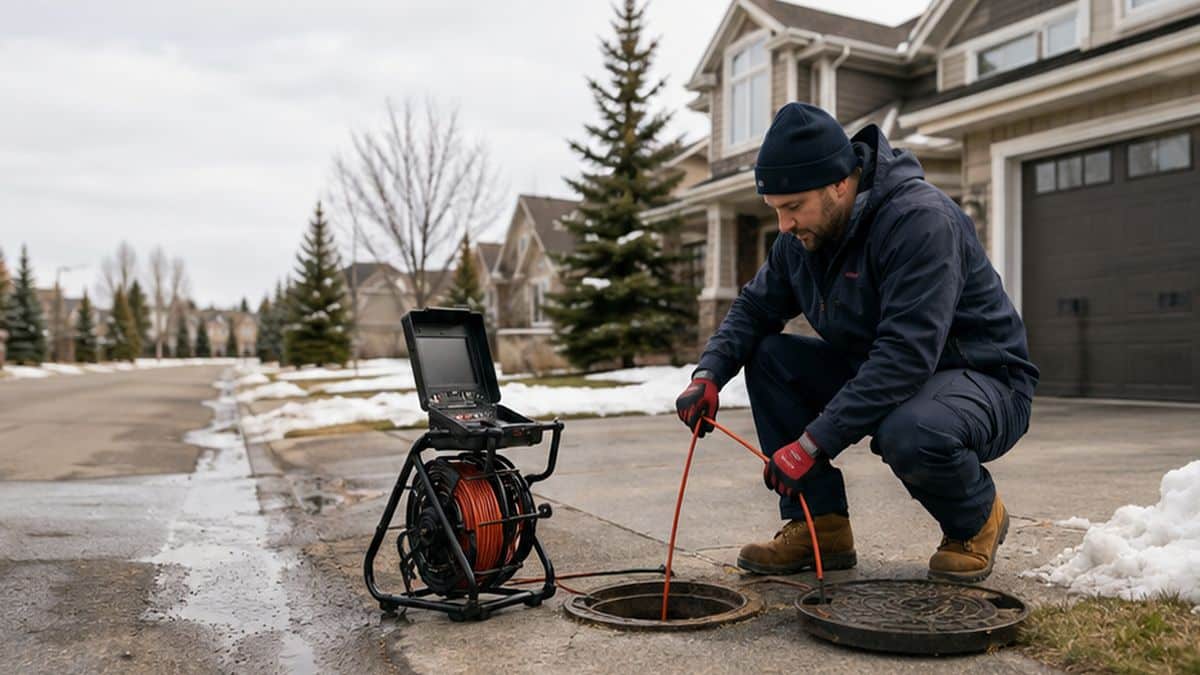
This Private Water & Sewer Services scene in Edmonton shows a technician completing a CCTV Sewer Inspection through a basement cleanout. Real-time footage helps identify hidden pipe problems.
Why sewer inspections matter
Regular inspections reduce risks of backups, flooding, odours and property damage. If you’re comparing options, review our full overview of edmonton sewer services. EPCOR inspects Edmonton’s sewer network to confirm proper connections and protect the North Saskatchewan River from harmful discharges (EPCOR). On private property, you carry the responsibility for drains, cleanouts and lateral lines. A camera check can reveal blockages before they trigger basement flooding or foul odours. A clear system also maintains your home’s resale value and shields you from costly fines – up to $7,500 for prohibited discharges under the City of Edmonton Drainage Bylaw.
How inspections work
Technicians use a few key methods to assess your sewer lines. Each has its strengths and limitations.
| Method | Purpose | Pros | Cons |
|---|---|---|---|
| CCTV camera | Video of pipe interiors | Noninvasive, fast, accurate location | Can’t see external pipe damage |
| Dye testing | Verify sanitary vs storm connections | Confirms flow paths, simple setup | May miss intermittent backflow |
| Manual inspection | Visual checks of cleanouts and sumps | Quick on small systems | Limited reach beyond cleanouts |
CCTV camera inspection
A high-resolution camera on a flexible cable navigates your lateral line and shows real-time video on a monitor (Mr. Rooter). Radio transmitters tag problem spots above ground, making pinpoint repairs possible without trenching. Many inspection programs follow standardized defect coding and reporting guidelines from NASSCO.
Dye testing
Technicians pour eco-safe dye into fixtures to track wastewater flow. This method checks that only rain and snowmelt enter the storm system, preventing storm-water overloads in spring.
Manual flow checks
On smaller residential lines, inspectors look through cleanouts and sumps to spot obvious grease, debris or structural issues. It’s a quick first step before camera work.
Good news, most properties can be cleared in under an hour.
Spotting common issues
Once you understand inspection methods, know what problems to watch for. Here are typical findings in Edmonton homes:
- Roots in pipes Tree roots seek moisture and can intrude through tiny cracks, causing slow drains and recurring blockages.
- Cracked or collapsed sections Freeze-thaw cycles can widen minor cracks, leading to pipe sagging or collapse under roadways.
- Grease buildup Kitchen fats solidify in winter months, sticking to pipe walls and reducing flow.
- Bellies and sags Improper installation or ground shifts create low spots where solids accumulate.
- Cross-bore damage Older drilling methods sometimes misalign utilities, creating dangerous pipe intersections.
Recognizing these issues early helps you avoid emergency repairs and landscape damage.
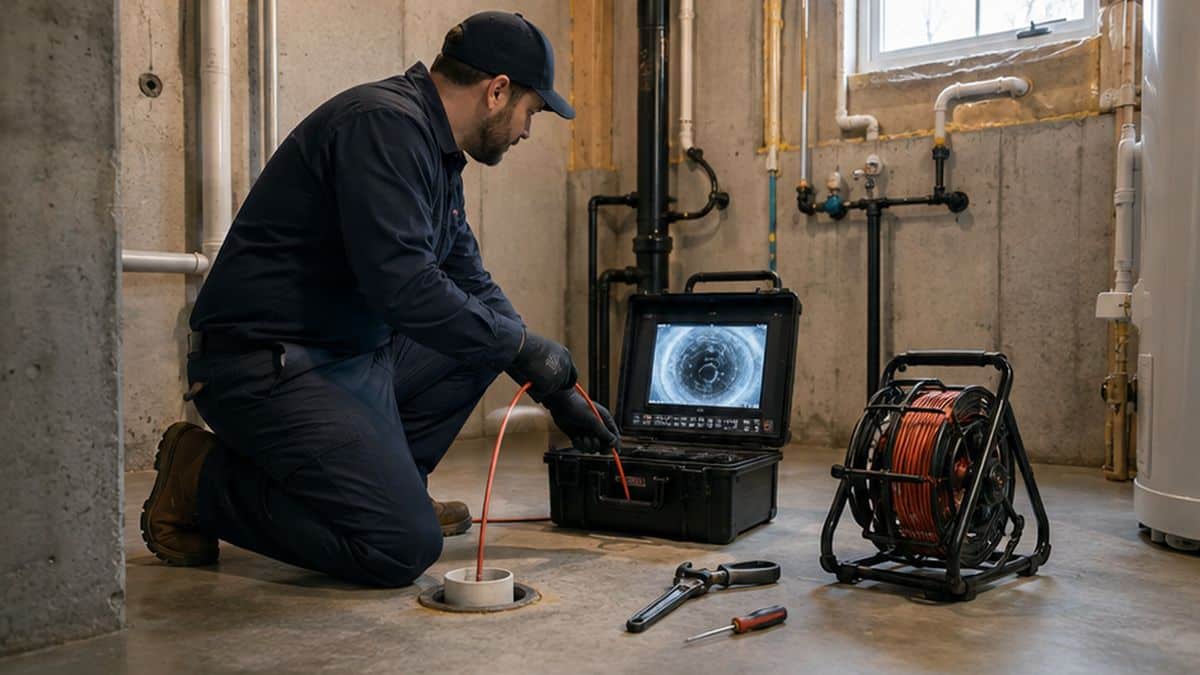
Private Water & Sewer Services in Edmonton use camera technology during a Sewer Inspection to reveal roots, buildup, and pipe defects. The close-up emphasizes early problem detection.
Picking a service provider
Not all inspections are equal. Here’s how to choose a qualified team:
- Verify licensure and insurance Ask for a Restricted Certificate of Competency “R” or Private Sewage certificate per Alberta regulations (Government of Alberta).
- Check equipment quality High-definition cameras and radio locators yield better results (Supreme Vac).
- Read reviews and ask for references Neighbours in Westmount or Montrose can share experiences.
- Confirm pricing and scope Get a clear quote that covers prep, inspection and reporting.
- Inquire about follow-up services A contractor who also offers edmonton sewer line repair and edmonton sewer line replacement can streamline fixes.
For a local referral, see our guide on edmonton sewer contractors.
Preparing for inspection
A little prep makes the process smoother and faster:
- Locate cleanouts and sump access points
- Clear snow, ice and debris from ground-level covers
- Keep pets secured and children at a safe distance
- Avoid running high-volume appliances during the check
- Note any unusual odours or slow drains to discuss with the technician
In winter, heavy snowfall can hide cleanouts. Shoveling a clear 3-foot radius around access covers helps technicians avoid delays.
Reviewing inspection results
After the inspection, you’ll receive a video report and a written summary. Here’s how to proceed:
- Watch the footage Timing marks show where issues occur in feet and inches.
- Compare findings to recommendations Minor root intrusion may only need a rooter service, while collapsed sections call for trenchless repair.
- Plan repairs and prioritize Address high-risk spots first, then schedule follow-up for less urgent fixes.
- Budget accordingly Surface repairs (snaking or high-pressure jetting) cost less than full replacements.
- Consider replacement options Trenchless lining can extend pipe life without major landscaping work.
If you decide on professional repairs, a provider who handles both inspection and repair ensures consistency and accountability.
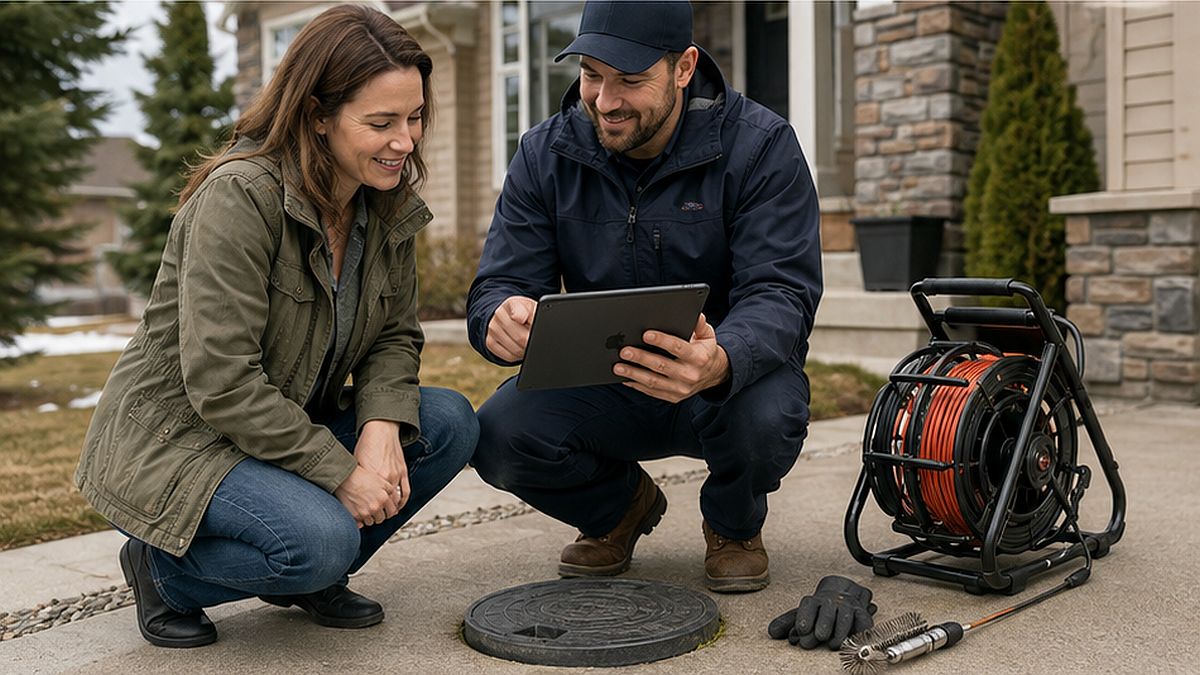
A homeowner reviews completed Sewer Inspection findings with a technician after Private Water & Sewer Services at an Edmonton property. The clean workspace reinforces professional service and peace of mind.
Quick recap and next step
- Understand why inspections matter for flood prevention and compliance
- Learn inspection methods: camera, dye and manual checks
- Spot common issues like roots, cracks and grease buildups
- Choose a licensed, well-equipped provider with clear pricing
- Prep access points and review results to plan repairs
Ready to secure your sewer line and prevent surprise backups? Need Private Water & Sewer Services in Edmonton? Call now or Book Online.
Related Edmonton Sewer Resources
- Planning a Sewer Line Replacement
- Sewer Line Repair Solutions
- Choosing a Sewer Contractor in Edmonton
- What to Know About Sewer Inspections
- Reliable Edmonton Sewer Service Options
Frequently asked questions
How often should I get a sewer inspection in Edmonton? Most homeowners schedule an inspection every 3–5 years, or sooner if you notice slow drains or unusual odours.
Can I perform a basic inspection myself?
You can check ground-level cleanouts for blockages, but a full camera inspection requires professional equipment.
Will my insurance cover sewer inspection costs?
Standard home policies rarely include inspections. Check your policy or a flood-specific rider for coverage details.
How long does a typical inspection take?
On average, camera and dye tests take 45–60 minutes for a single lateral line.
What’s the difference between repair and replacement?
Repairs like jetting or spot repairs fix small issues. Replacements involve relining or installing a new pipe section, often via trenchless methods.
Share This Story, Choose Your Platform!
About the Author: Brett Kingstree

Related Posts