


How to Spot Issues: Edmonton Pipe Leak Diagnosis Explained
Searching for edmonton pipe leak diagnosis can feel overwhelming, especially when you spot damp patches near Whyte Avenue or soggy soil by your driveway. Yet catching leaks early matters—you can save thousands of litres of water and avoid costly repairs. A dripping tap at one drop per second may waste about 19 litres a day and 5,678 litres a month (EPCOR).
You’ll find this guide breaks down common leak clues, inspection tips, diagnostic methods, and seasonal checks. Good news, it’s easier than it sounds. For hands-on help, connect with pipe leak detection and repair in Edmonton from Kingstree Plumbing.
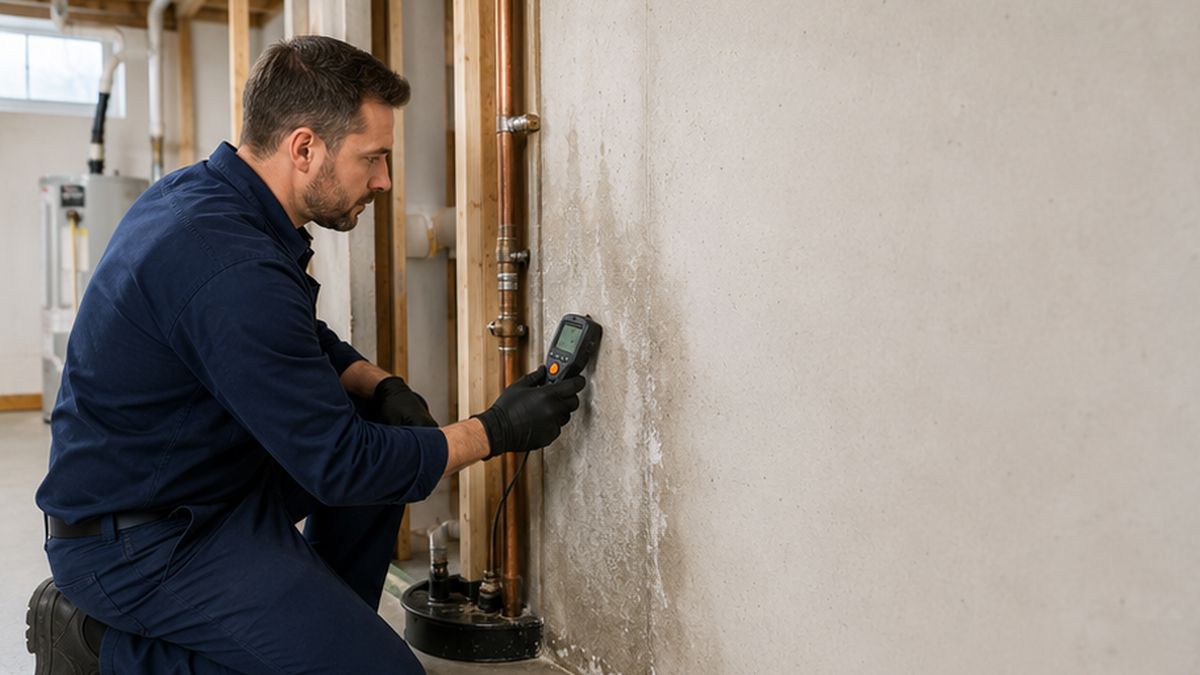
This Pipe Leak Detection & Repair inspection in Edmonton uses a moisture meter to support a professional Pipe Leak Diagnosis.
common leak clues
Spotting the earliest hints of a hidden leak can save you both water and worry. Look for these telltale signs around your home.
pooling or wet spots
- You might see soggy patches on your lawn, driveway, or foundation even when it hasn’t rained.
- In basements, damp corners or puddles along walls often point to a crack in a buried pipe.
- Slow seepage under a slab can cause warped or stained flooring near the furnace or water heater.
unexplained bill increases
- A sudden jump in your water bill, without extra irrigation or guests, signals unseen loss.
- Even small drips add up—silent leaks can hike monthly costs by 10–20 percent.
- Compare current usage to the same period last year; a spike often means a leak.
sounds and odours
- Hearing running water when all faucets are off can mean a slab or underground line leak.
- Listen for hissing or dripping behind walls—pipes under pressure will often “talk.”
- Musty smells or early mold growth in lower levels may follow slow leaks and high humidity.
inspect critical areas
Once you know what to look for, focus your investigation on spots prone to plumbing stress.
basement foundations
Check around sump pumps, floor drains, and any visible pipe joints. Look for:
- Cracks in concrete walls or floors
- Efflorescence (white mineral deposits) on masonry
- Water stains near the footing
walls and ceilings
Inspect drywall and paint near pipe runs (kitchens, bathrooms, laundry areas). Watch for:
- Bubbling or peeling paint
- Dark spots or mold growth
- Drips on ceiling-mounted fixtures
yard and driveways
Walk around your lot after a dry spell. Note any:
- Wet circles in grass
- Random pools on driveways or sidewalks
- Sinkholes or settling soil (could mean a large underground leak)
apply diagnostic methods
When visual checks aren’t enough, these tools and techniques reveal hidden issues. If you’re trying to narrow down what’s happening before a full inspection, review our Edmonton pipe leak troubleshooting guide. For a deeper dive into detection, see our edmonton pipe leak detection overview.
pressure testing
Shut off your main and isolate sections of pipe, then introduce air or water under controlled pressure. You’ll spot leaks when pressure drops. Pros: simple, low cost. Cons: system must be empty and valve-tight.
camera inspection
A flexible video camera snakes through pipes to pinpoint cracks, blockages, or corrosion. Many pros use this method first—it’s precise and minimally invasive.
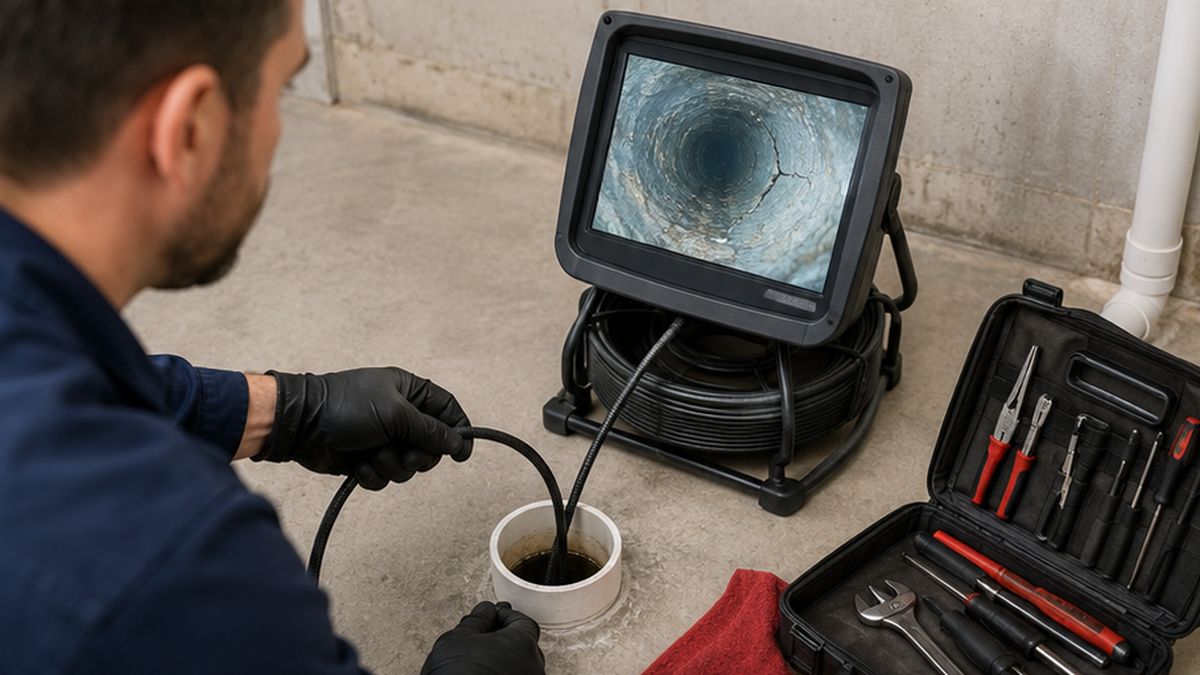
A video camera supports Pipe Leak Detection & Repair in Edmonton by providing a precise interior Pipe Leak Diagnosis.
infrared detection
Thermal cameras pick up temperature differences behind walls or under floors, highlighting moisture pathways. You’ll see wet spots as cooler areas on a heat map.
comparison of methods
| method | detects | pros | cons |
|---|---|---|---|
| pressure testing | pressure loss, pinhole leaks | affordable, DIY-friendly | system isolation needed |
| video camera inspection | cracks, scale, blockages | exact location, minimal damage | equipment cost moderate |
| infrared detection | hidden moisture areas | non-invasive, fast | surface only, may need calibration |
schedule seasonal checks
Edmonton’s freeze-thaw cycle puts extra strain on pipes. Plan these simple routines to stay ahead.
winter freeze protection
- Insulate exposed pipes in unheated spaces (garages, crawlspaces).
- Open cabinet doors under sinks to let warm air circulate.
- Keep indoor temps above 13 °C in unoccupied rooms.
spring thaw review
- After frost ends, scan for new damp spots around foundations and yards.
- Test water pressure—sudden drops can point to underground breaks.
- Flush your system to clear debris that built up over winter.
expert consultation
At least once a year, book a pipe health check with experienced plumbers in Edmonton. They’ll spot subtle signs you might miss and handle complex tools safely.
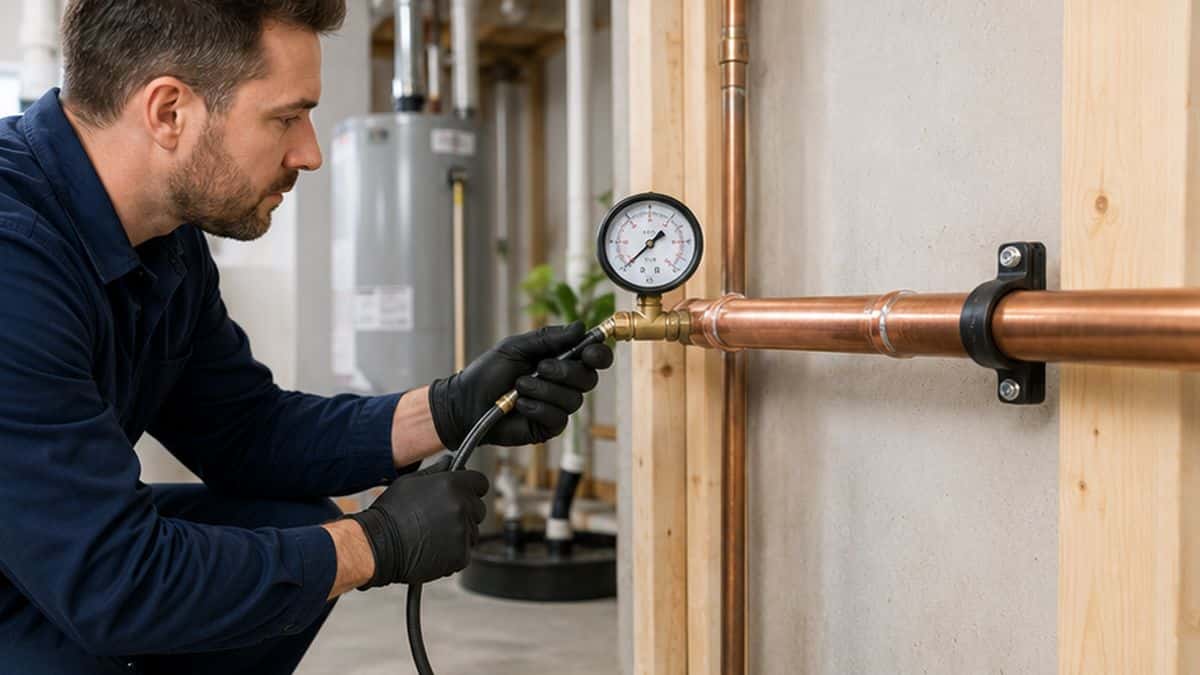
Completed Pipe Leak Detection & Repair in Edmonton is verified with a pressure test following a successful Pipe Leak Diagnosis.
recap and next steps
- Look for pooling, bill spikes, and odd sounds.
- Inspect basements, walls, and outdoor lines.
- Use pressure tests, cameras, or infrared scans for hidden leaks.
- Protect pipes in winter and review them come spring.
- Reach out to Kingstree Plumbing or other Edmonton plumbing experts for professional support.
Reach out to Kingstree Plumbing for professional support if you notice any of these warning signs—early action helps reduce water waste, high bills, and the risk of major damage. Need Pipe Leak Detection & Repair in Edmonton? Call now or Book Online. Catch leaks early, and you’ll avoid water waste, high bills, and structural damage (water claims top home insurance payouts in Canada—over $8.5 billion in 2024 alone (Insurance Bureau of Canada)). You’ve got the tools and insights to keep your plumbing in top shape.
Related Edmonton Pipe Leak Guides
- Getting Expert Help for Pipe Leaks
- Choosing a Skilled Plumber for Leak Repairs
- Steps for Troubleshooting Pipe Leaks
- Understanding Pipe Leak Diagnosis
- Ways to Detect Hidden Pipe Leaks
frequently asked questions
- How do I know if a slab leak is under my floor?
Listen for continuous running water with no fixtures open, or look for warped floorboards and musty odours. - Can I pressure test my pipes myself?
Yes, with the right gauge and valves closed, but follow safety steps carefully or consider a pro. - What’s the benefit of infrared over a camera inspection?
Infrared detects moisture behind finishes without pipe entry, while cameras give a direct visual of the pipe interior. - How often should I schedule professional leak checks?
Aim for an annual review, plus any time you see new wet spots or experience odd pressure changes. - Will my insurance cover water damage from a slow leak?
Most policies cover sudden bursts but not gradual leaks. Check your policy details and correct issues promptly.
Share This Story, Choose Your Platform!
About the Author: Brett Kingstree

Related Posts




