


Avoid Costly Repairs with Proper Livestock Water System Maintenance
Edmonton’s changing climate can put your livestock water system to the test. Good news, proper Edmonton livestock water system maintenance can reduce your water consumption by up to 30% while keeping your herd healthy (Organic Agriculture Centre). Routine upkeep keeps pipes clear, water quality high, and costly repairs at bay. For professional support, check out Kingstree Plumbing’s livestock water system services in Edmonton (https://kingstreeplumbing.ca/livestock-water-system-services-edmonton/).
Regular maintenance saves you money and safeguards animal health.
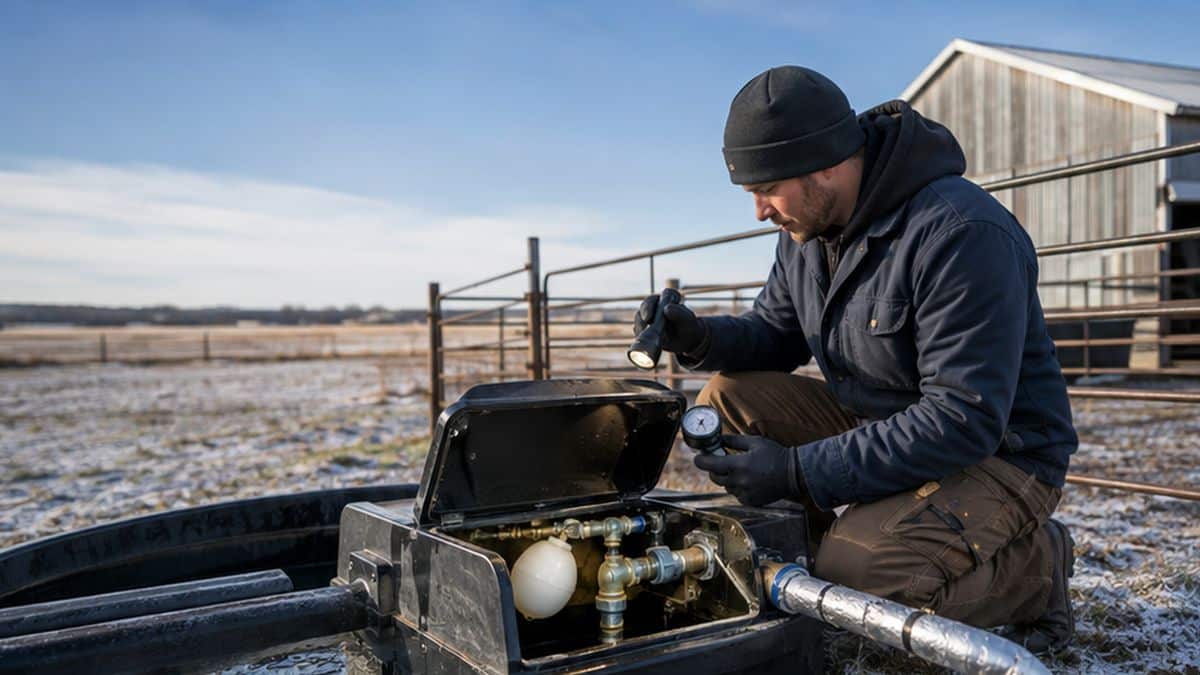
Livestock Water System Services in Edmonton include inspecting valves and insulated pipes as part of Livestock Water System Maintenance.
Cost of neglected maintenance
Neglected water systems lead to leaks, contamination, and eroded banks. A recent EALT report shows trampling by livestock increases exposed soil in riparian zones, driving erosion and flooding risks (EALT). Repairing collapsed dugout banks or replacing collapsed pipelines can cost thousands of dollars in equipment and labour.
Worse, excess livestock feces in trough areas can result in E coli contamination and nutrient overload, triggering algae blooms and sick animals (EALT). Veterinary bills and lost weight gain add to the bill. Good news, small tasks today can spare big bills tomorrow.
Seasonal upkeep in Edmonton
Edmonton’s winters and spring thaws challenge water systems year-round. Temperatures below -20 °C can freeze exposed pipes and waterers, shutting off access in hours. Bury pipelines at least 4 feet (1.2 m) below frost line and insulate aboveground lines near troughs. In a dual-system setup, many ranchers combine heated winter waterers with traditional dugouts so animals stay hydrated in deep cold (Organic Agriculture Centre).
Come spring, melting snow and rain can overwhelm banks. Rapid runoff carries sediment into troughs and pipelines, clogging filters. With the right prep—fenced-off banks and debris screens—you’ll avoid common freeze-ups and springtime clogs.
Essential maintenance tasks
These steps are easier than they seem, and each helps prevent expensive fixes.
Clean and disinfect waterers regularly
A weekly clean is the baseline for cattle waterers (Barn World).
- Drain the trough completely.
- Scrub surfaces to remove slime or buildup.
- Rinse thoroughly, checking filters and pipes.
- Disinfect with an approved solution, then rinse again.
In dusty or muddy pens, increase cleaning to twice weekly. You’ll notice fewer blockages and healthier animals.
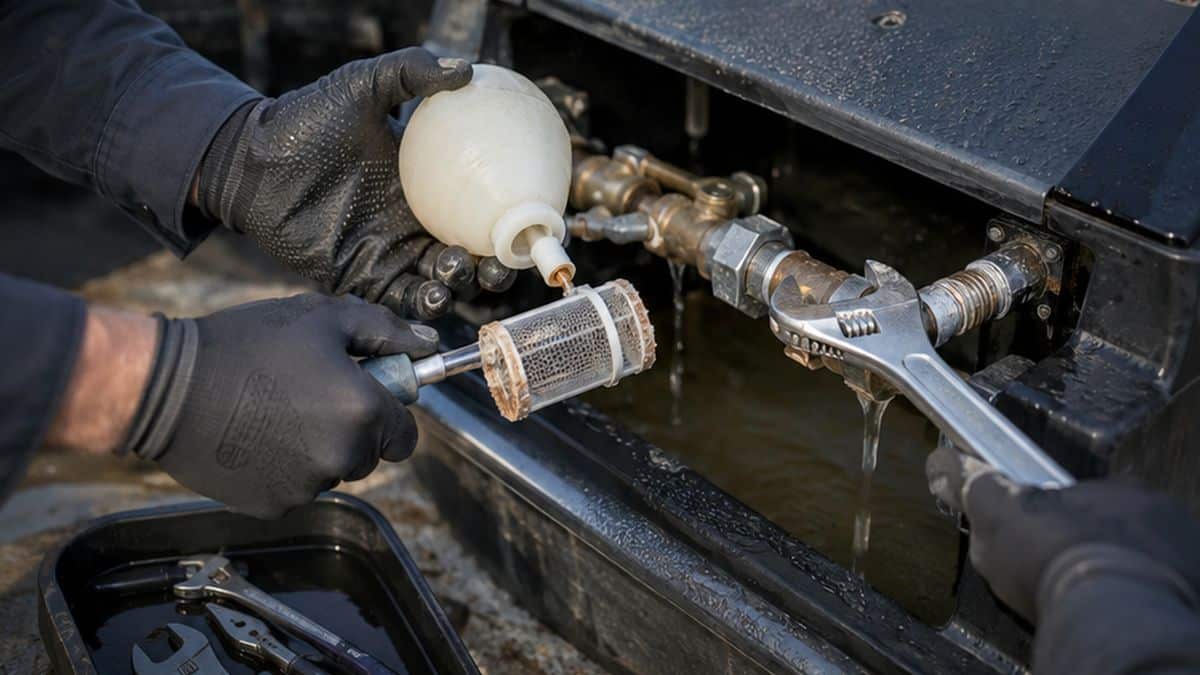
Livestock Water System Services in Edmonton provide detailed valve and filter care during Livestock Water System Maintenance.
Inspect pipelines and float valves
Leaks waste thousands of gallons each season and invite erosion. Walk your lines every month to spot drips or corrosion. Test float valves to avoid overfilling (Saddle Hills County). A simple float valve shutoff can prevent pens from flooding when you’re away.
Bad news, valves can fail—so replace worn parts promptly.
Test water quality routinely
Monitor pH levels, total dissolved solids (TDS), and look out for microbes. Quick checks with test strips or a TDS meter give you fast feedback. Aim for a full lab analysis at least twice per year, such as spring and fall samples. Knowing your water’s mineral content and microbial load helps you catch issues before they affect growth rates or reproduction.
Manage runoff and erosion
Fencing off natural water sources and providing off-stream troughs protects banks and water clarity (Alberta Agri-News). Plant willows or other riparian species to stabilize soil (EALT). A well-vegetated buffer zone filters sediments and nutrients before they reach your trough, reducing algae risks.
These practices safeguard your edmonton livestock water systems and your pastures.
Upgrade and specialist support
Even small upgrades can pay off fast.
Install filtration and automation
Automated watering systems with sensors, timers, and digital controls ensure consistent flow and reduce labour costs. Installation runs $2,000 to $10,000 up front, with many ranchers recouping their investment in 2–3 years through fewer repairs and healthier herds (Organic Agriculture Centre). Comparing different edmonton livestock water systems helps you choose the right level of automation.
Capture and store rainwater
Rainwater harvesting cuts demand on surface and groundwater. Position gutters on large barns to feed storage tanks or dugouts designed for an 8–10 fill cycle per year (Saddle Hills County). A two-year drought supply ensures your animals stay hydrated during summer dry spells.
Know when to call help
Major leaks, persistent freeze-ups, or recurring contamination call for professional attention. For reliable fixes, turn to livestock water system repair in Edmonton experts. Planning a new setup? Check out livestock water system installation in Edmonton. For complex designs or large-scale upgrades, consult livestock water system specialists in Edmonton.
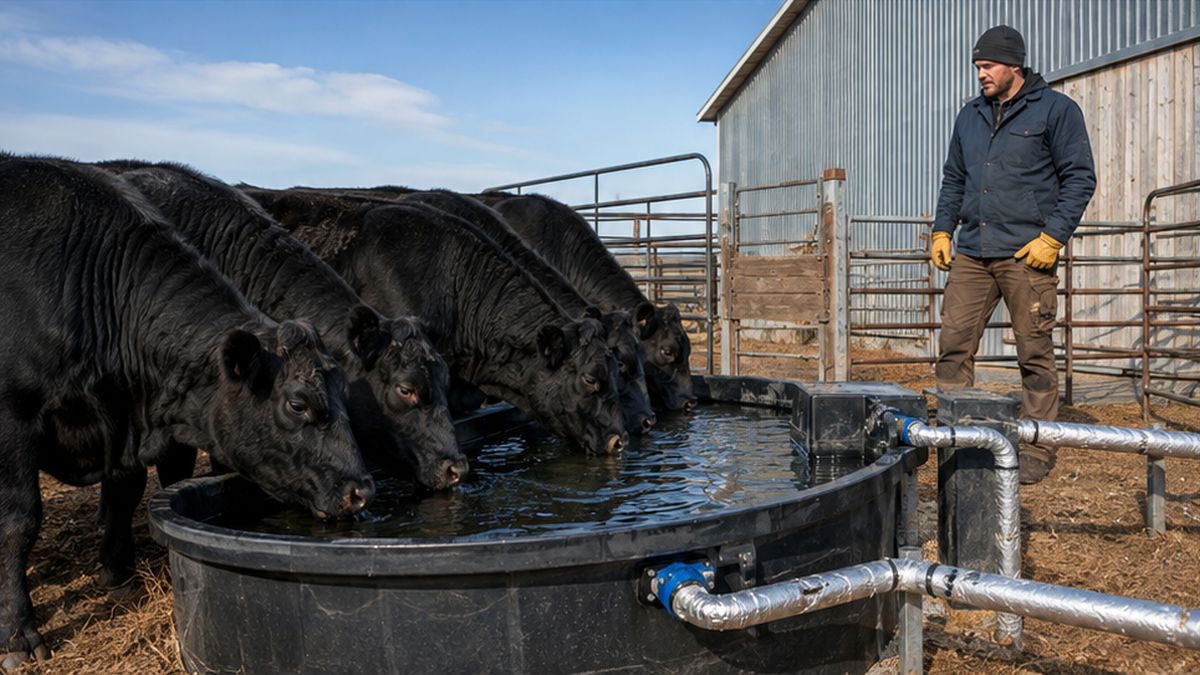
Livestock Water System Services in Edmonton deliver a clean, reliable result through preventive Livestock Water System Maintenance.
Quick recap and next steps
- Address small leaks and valve issues before they worsen.
- Insulate and bury pipes below Edmonton’s frost line.
- Clean, inspect, and test waterers weekly.
- Fence and vegetate banks to curb erosion and contamination.
- Consider automation or rainwater capture for long-term savings.
For expert maintenance and installation, visit Kingstree Plumbing’s livestock water system services in Edmonton (https://kingstreeplumbing.ca/livestock-water-system-services-edmonton/). You’ve got this.
Helpful Livestock Water System Resources
- Planning a Livestock Water System Installation
- Preventive Care for Livestock Water Systems
- Finding the Right Livestock Water System
- Common Livestock Water System Repair Mistakes
- When to Hire a Livestock Water System Specialist
FAQs
How often should I clean my livestock waterers? Aim for weekly cleaning, increasing to twice a week in dusty or muddy conditions. Regular scrubbing and disinfection prevent buildup and contamination.
What are common signs of a failing water system?
Look for slow fills, fluctuating water levels, visible leaks, pipe bulges in winter, or muddy troughs. Early detection saves on major repairs.
Can I use rainwater for my livestock?
Yes, rainwater is safe if collected and stored properly. Install gutters and screens to keep out debris, and test the water quality periodically.
How do I prevent freezing pipes in Edmonton winters?
Bury pipes at least 4 feet (1.2 m) deep, insulate any aboveground sections, and use heated waterers or trace cables near troughs.
When should I upgrade my water system?
Consider upgrades when you face frequent repairs, expanding herd size, or want to reduce labour. Automated systems often pay for themselves within 2–3 years.
Share This Story, Choose Your Platform!
About the Author: Brett Kingstree

Related Posts




