


Essential Guide to Backwater Valve Installation in Edmonton
When you’re planning a backwater valve installation in Edmonton, you’re taking a big step to protect your basement from raw sewage backup. In 2024, Canada saw its costliest year for severe weather-related losses at $8.5 billion (Insurance Bureau of Canada). And you’ll find it’s easier than it sounds to secure your home. From navigating permits under the provincial Safety Codes Act to tapping into up to $800 in rebates through EPCOR’s Backwater Valve Subsidy Program, this guide walks you through each key step—and you can rely on our friends at Kingstree Plumbing to handle the heavy lifting.
Key idea: A properly installed valve seals out sewage backflow, saves you from costly repairs, and may even earn you financial incentives.
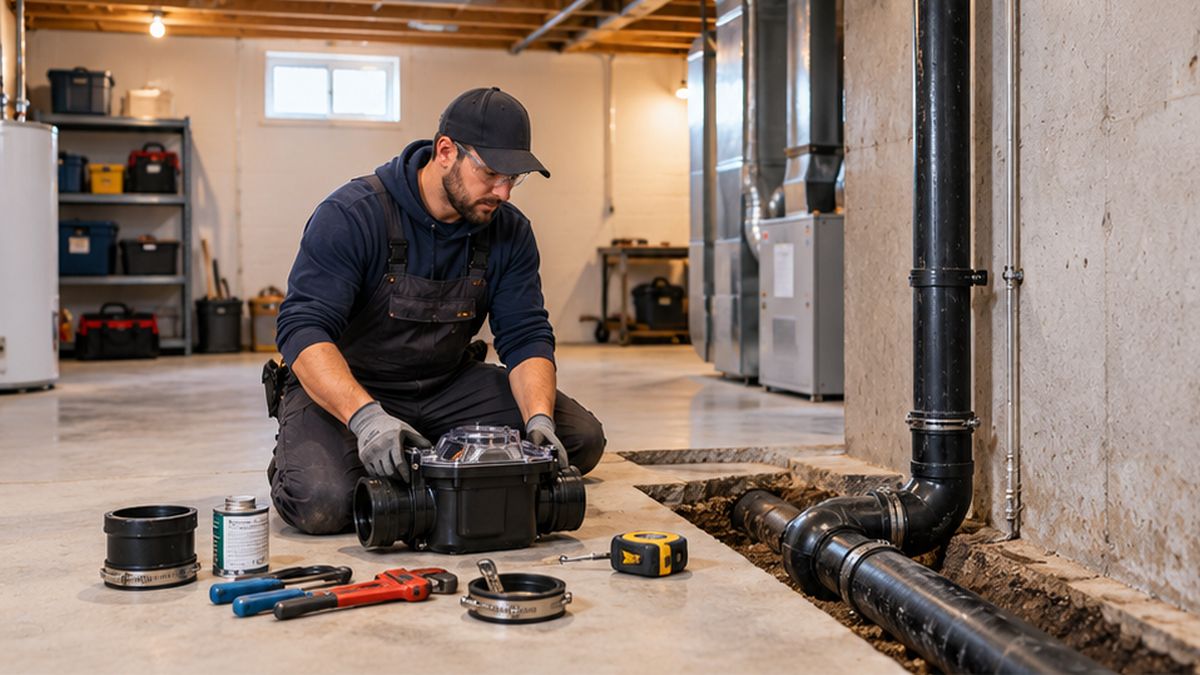
Understand backwater valves
What a backwater valve does
A backwater valve, sometimes called a sewage check valve, fits on your home’s main sewer line. It has a flap that automatically closes when wastewater tries to flow back from the street main, keeping your basement dry (PM Engineer).
How it prevents flooding
During heavy rainfall or snowmelt, municipal sewers can overload. Without a valve, that pressure pushes raw sewage upward through floor drains, drain tiles, and toilets. A closed flap blocks that reverse flow until storm levels recede.
Benefits for homeowners
- Reduces risk of basement flood damage
- Protects flooring, walls, appliances, and stored items
- May lower insurance premiums when documented
- Offers peace of mind during Edmonton’s spring melts and summer storms
Navigate permits and codes
Provincial safety codes
Under Alberta’s Safety Codes Act, any alteration to plumbing equipment requires a permit. This ensures installations meet standards for health and safety.
Plumbing permit requirements
In Edmonton, you and your contractor must apply jointly for a plumbing permit before work starts. You’ll need:
- A completed permit application
- Site plans or sketches of plumbing changes
- Contractor’s signature and license details
Visit the City of Edmonton permit portal for details (City of Edmonton).
Inspection process and fees
Effective January 1, 2025, inspection fees vary by project scope. Failure to book or pass required inspections can lead to removal of finished walls, added costs, and delays, so schedule early.
Access local subsidies
EPCOR’s valve subsidy program
EPCOR offers up to $800 toward interior or exterior backwater valve installation in eligible homes. This rebate can significantly offset labour and material costs.
Eligibility criteria
- Single-family or duplex home built before 1989
- No existing valve on site
- No prior subsidy at the same address
- Pre-approval flood inspection by EPCOR Flood Protection
Application process
- Apply for pre-approval inspection through EPCOR.
- Install a supported valve type within six months of approval.
- Submit proof of professional installation and permit within the program timeframe.
Other municipal support
Check with your neighbourhood council or community league for small grants or emergency funding. For broader flood-safety measures, you might also explore edmonton backflow prevention.
Choose a professional installer
Why hire a pro
Backwater valve fitting involves precise excavation, pipe cutting, priming, and leak-proof connection. Improper work can cause new risks.
Credentials to verify
Ensure your contractor holds:
- A Restricted Competency Certificate “R” for sewer and water services
- A Private Sewage Certificate “PS” or Restricted Private Sewage Certificate “RPS” if applicable (Government of Alberta)
Checking service areas
Look for experts serving Edmonton and its surrounding communities. You can find licensed pros in our edmonton plumbing services directory. Rest assured, trained technicians know local codes and climate challenges.
Plan installation steps
- Schedule pre-installation inspection
- An EPCOR Flood Protection specialist checks your sewer lateral and home layout.
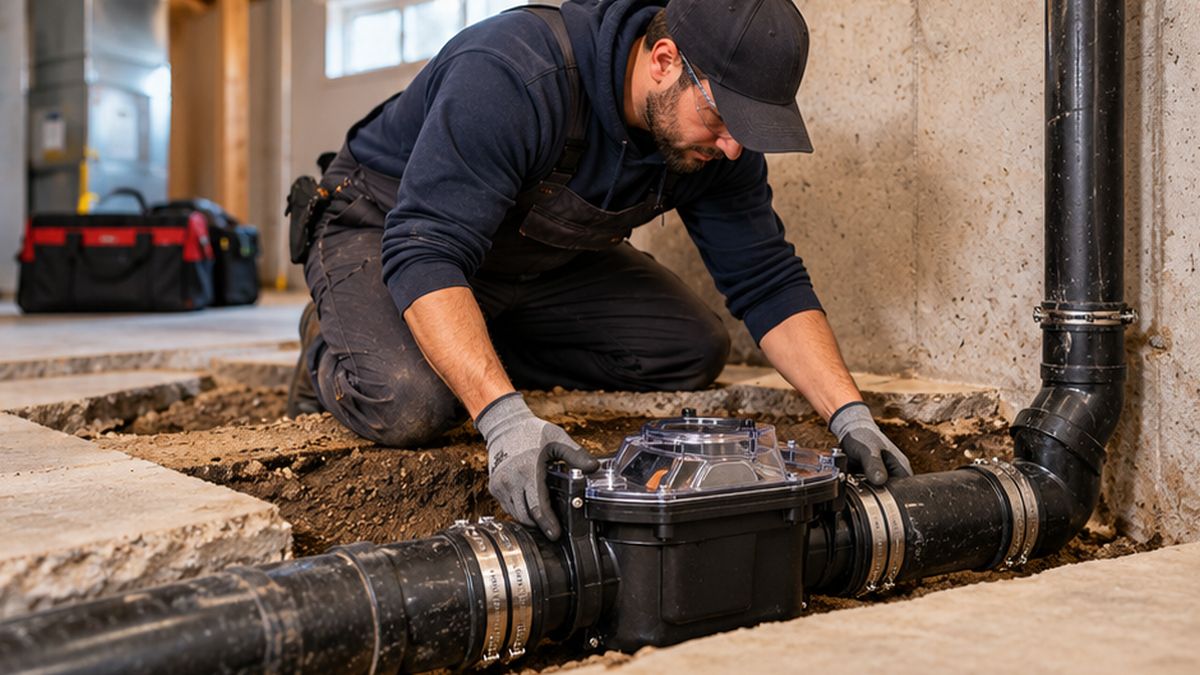
- Excavate and install the valve
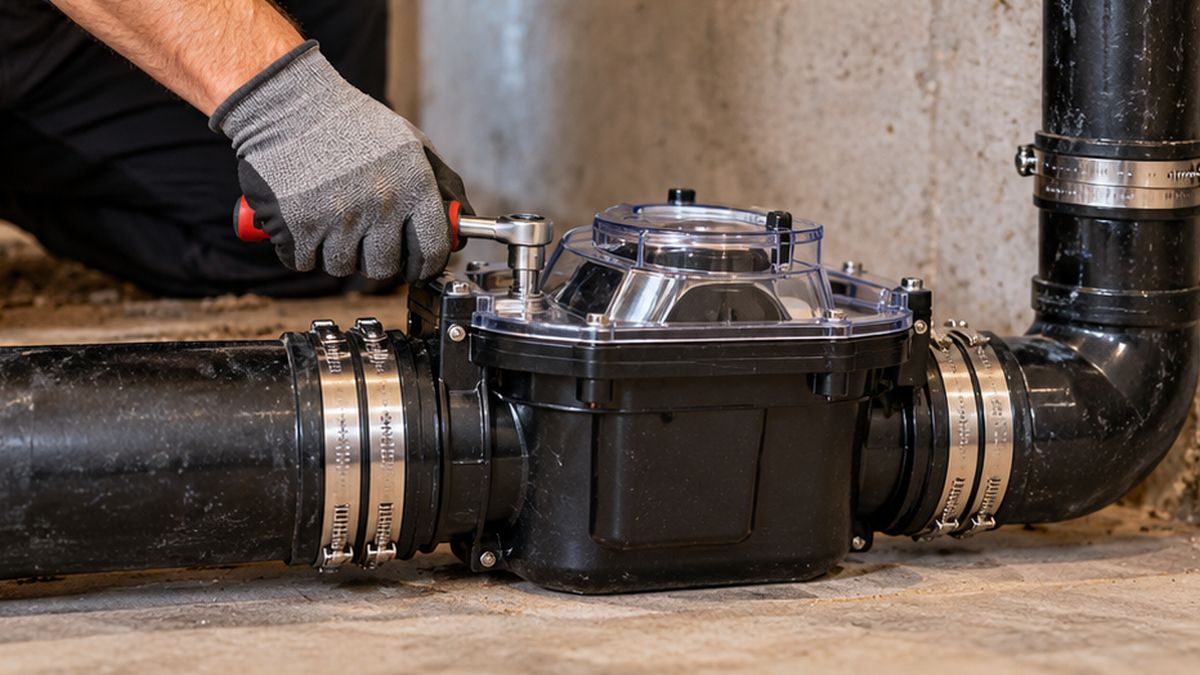
- The plumber excavates down to the main line, cuts the pipe, installs the valve, and secures it with approved solvent cement.
- Book permit inspection
- Contact the City of Edmonton to inspect and sign off on the new installation. A green inspection sticker confirms compliance.
Follow these steps closely, and you’ll minimise rework fees and delays.
Maintain your valve
Annual inspection importance
Debris or sediment buildup can prevent the flap from closing fully. A yearly check keeps the mechanism responsive.
DIY maintenance steps
You’ll need a flashlight, safety glasses, and rubber gloves. Then:
- Remove the cleanout plug
- Inspect for sticks, grease, or sediment
- Scrub under the flap gently with a brush
- Check the O-ring and floats for wear
When to schedule service
If you notice slow drain-back, leaks around the valve, or clogging that you can’t clear safely, call our team for professional edmonton backwater valve maintenance. Good news, service appointments are quick and affordable.
Quick recap and next steps
- Understand how a backwater valve stops sewage backflow.
- Secure permits under Alberta’s Safety Codes Act.
- Tap into EPCOR’s up-to-$800 subsidy.
- Hire a certified plumber listed on edmonton plumbing services.
- Book inspections and follow installation steps.
- Inspect your valve annually to keep it working.
Protecting your home from basement flooding doesn’t have to be overwhelming. For expert help with backwater valve installation and ongoing maintenance, visit Kingstree Plumbing and take the first step toward a drier, safer property.
Related Resources
- Protecting Your Home With Edmonton Sewer Services
- Backwater Valve Maintenance Mistakes to Avoid
- Common Backflow Prevention Mistakes
- Edmonton Backwater Valve Installation Guide
- Solutions to Common Edmonton Plumbing Problems
Frequently asked questions
Do I need a permit for backwater valve installation?
Yes, the provincial Safety Codes Act and the City of Edmonton require a plumbing permit before installation begins.
How much does installation typically cost in Edmonton?
Most retrofit projects range from $2,000 to $5,000, depending on depth, pipe condition, and required excavation.
Can I apply for the EPCOR subsidy after installation?
You must get pre-approval before installation and submit proof of professional work within six months to qualify.
How often should I maintain my backwater valve?
Aim for an annual inspection and cleaning. On heavy-weather sites, consider a mid-season check.
Is it possible to install a backwater valve myself?
Due to code requirements, professional skill and permits, DIY installation isn’t recommended. Certified plumbers ensure compliance and reliable performance.
Share This Story, Choose Your Platform!
About the Author: Brett Kingstree

Related Posts




